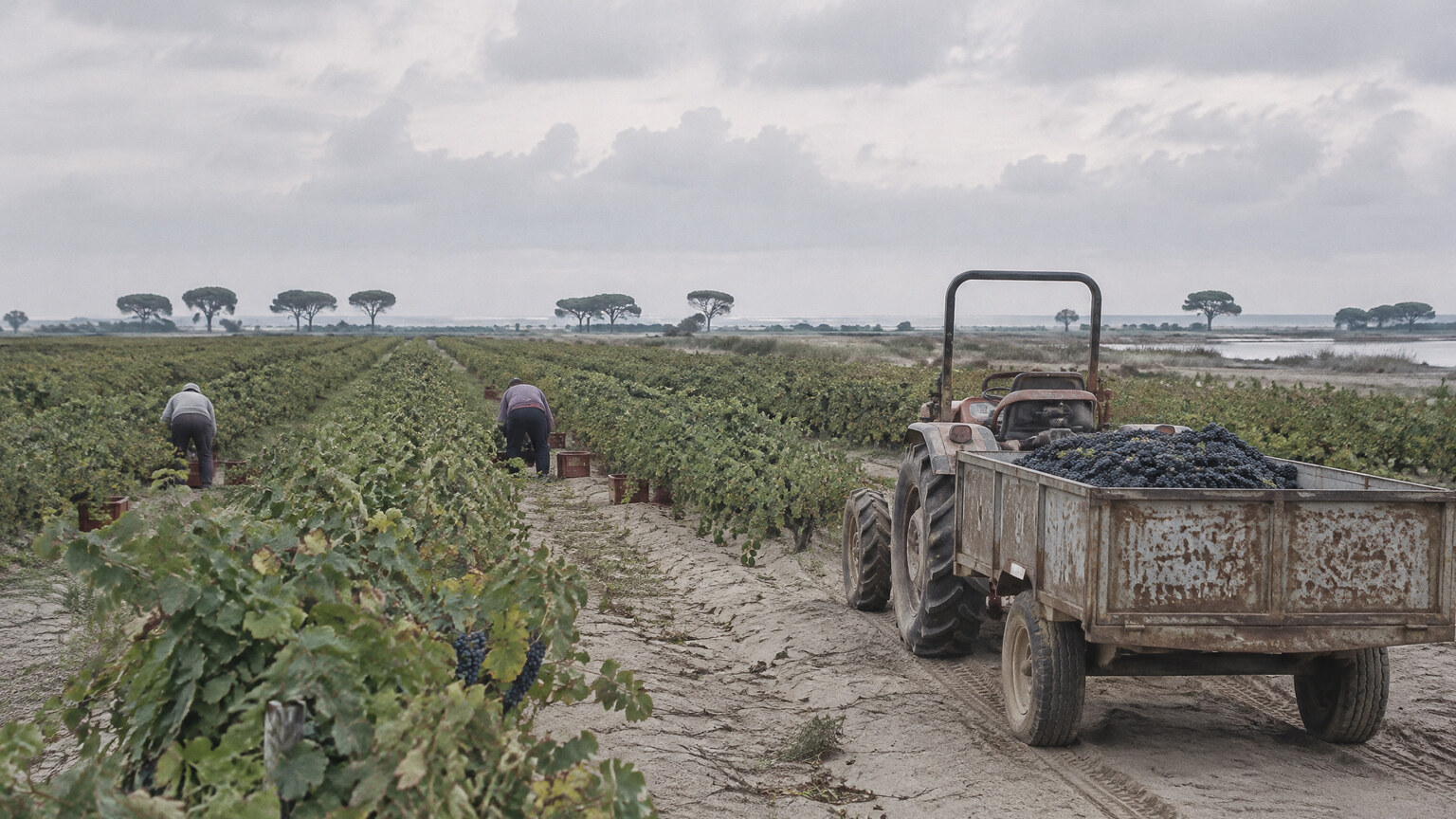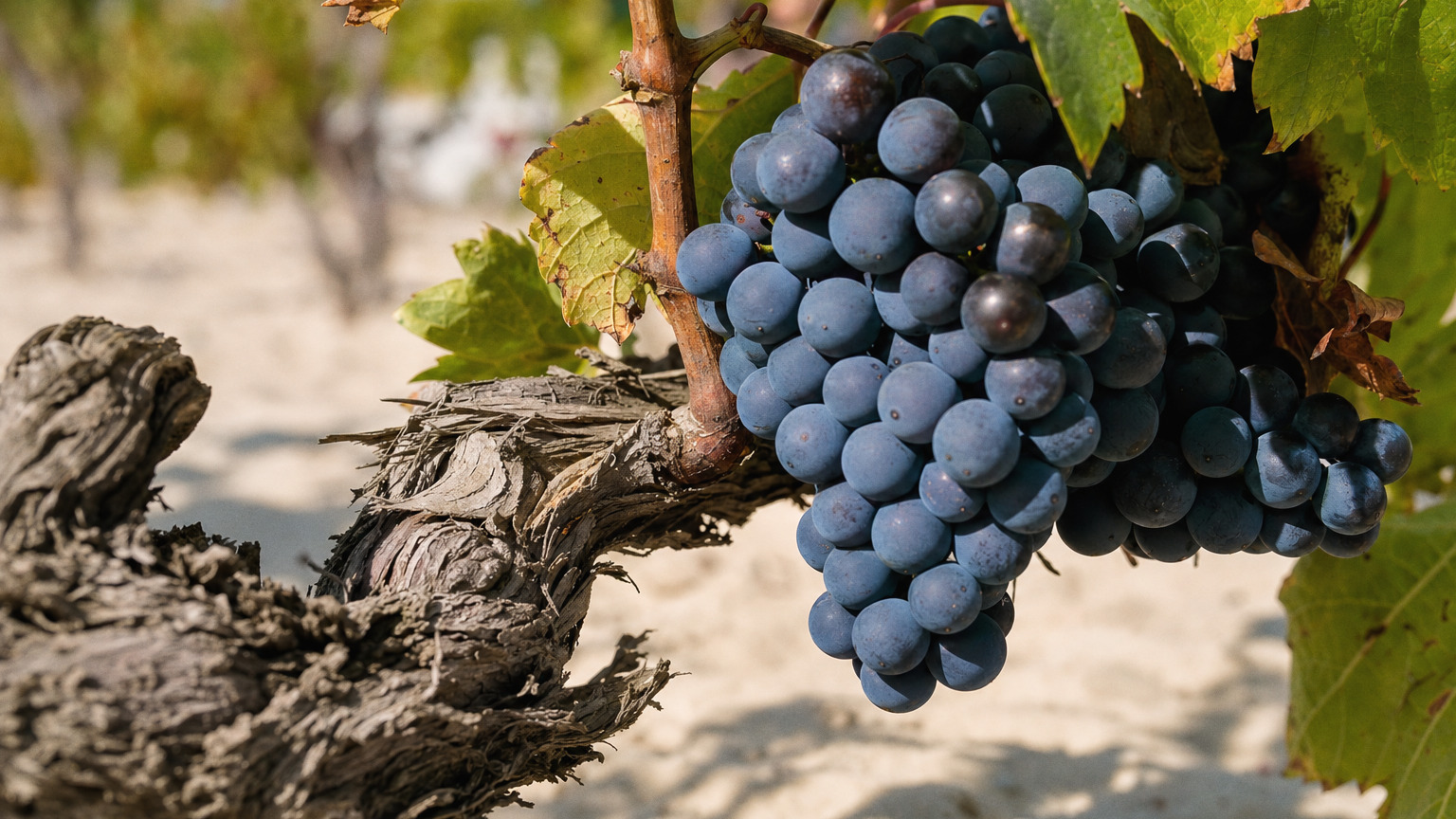
Low vines, planted in sand, a few metres from the Adriatic. The ground crunches under your shoes like a beach. And yet a wine is born there, and it has just the right salinity for our fish.
These are the wines of the sands: the Bosco Eliceo. A name that few people even in Ferrara know, and one we've been happy to pour ever since we opened. Because it comes from here, from our own patch of liquid world, sand, lagoons, sea, salt, and because we like the people who make it. This is our little guide, told from behind the counter.
Why they're called “wines of the sands”
The appellation is called Bosco Eliceo DOC and has been recognised since 1989. The nickname, “Vini delle Sabbie”, wines of the sands, isn't label poetry: it's the truth of the soil. The vines grow on ground that is up to 95-97% sand, the legacy of sediment laid down by the Po and the Reno and of the old land reclamations, between the province of Ferrara, the Po Delta and the coast.
The name “Bosco Eliceo”, on the other hand, comes from the woods of holm oak, the “elci”, that once grew on the sand dunes along the sea.
There's a detail we like to tell at the table. Many of these vines are “franche di piede”, ungrafted: sand makes the soil naturally hostile to phylloxera, the insect that wiped out half of Europe's vineyards in the nineteenth century. Here the low vines survived. Drinking a Bosco Eliceo, sometimes, means drinking from old plants that held on where elsewhere everything had to start again from scratch.
Fortana, the “Uva d'Oro”
The house grape is Fortana, which around here they call “Uva d'Oro”, the golden grape. It has been grown for centuries. The Consorzio traces the earliest evidence all the way back to the Etruscans of Spina, a local tradition, told that way by the people who protect the appellation, rather than a certain record.
And here comes the lovely story, the one we love to tell while warning straight away that it's a legend, not a documented fact. Fortana is said to have come from the Côte d'Or, the “golden slope” of Burgundy, brought to Ferrara by Renée of France on her marriage to Ercole II d'Este: French vine cuttings that found a home in the sandy, brackish soils of the Delta. From there, they say, “Côte d'Or” became “Uva d'Oro”. It's a tradition, and we hold it dear for exactly what it is: a story that smells of the Este court, to be told at the end of dinner without passing it off as truth.
Under the DOC there are four types: as well as Fortana, Merlot, Sauvignon and Bianco del Bosco. Four different ways of standing on sand.
What a wine grown by the sea tastes like
If you've never tasted them, fix one word in your mind: salinity. The wines of the sands have modest alcohol, around 10.5-11%, lovely acidity and a slightly salty note, a gift of the nearby sea. They're light, straightforward, often lightly sparkling. Fresh, fruity aromas, floral at times.
No “important” wine that silences the dish, in other words. Wines that do their job: they make you thirsty, they clean your palate, they make you want the next mouthful. Trattoria wines, in the best sense of the word.
Why a fish trattoria pours Bosco Eliceo
A fair question: a red, or a “farmhouse” fizz, with fish? Yes. And this is exactly where the sand comes in useful.
The logic is simple, the sommeliers' logic as told in a kitchen: acidity and bubbles cut through fat and bring balance. It works beautifully with the richer dishes of our lagoon world. Sparkling Fortana is the pairing of choice with eel, eel risotto for instance, where acidity and bubbles cut through the richness. And when the dish turns sharp, like certain brodetti from the Comacchio area made with vinegar, still Fortana holds up better than many whites.
Then there are the whites. Bianco del Bosco frizzante, again, with eel risotto. Bosco Eliceo Sauvignon, dry and a touch tart, with marinated eel. And as an aperitivo, before sitting down, they all work.
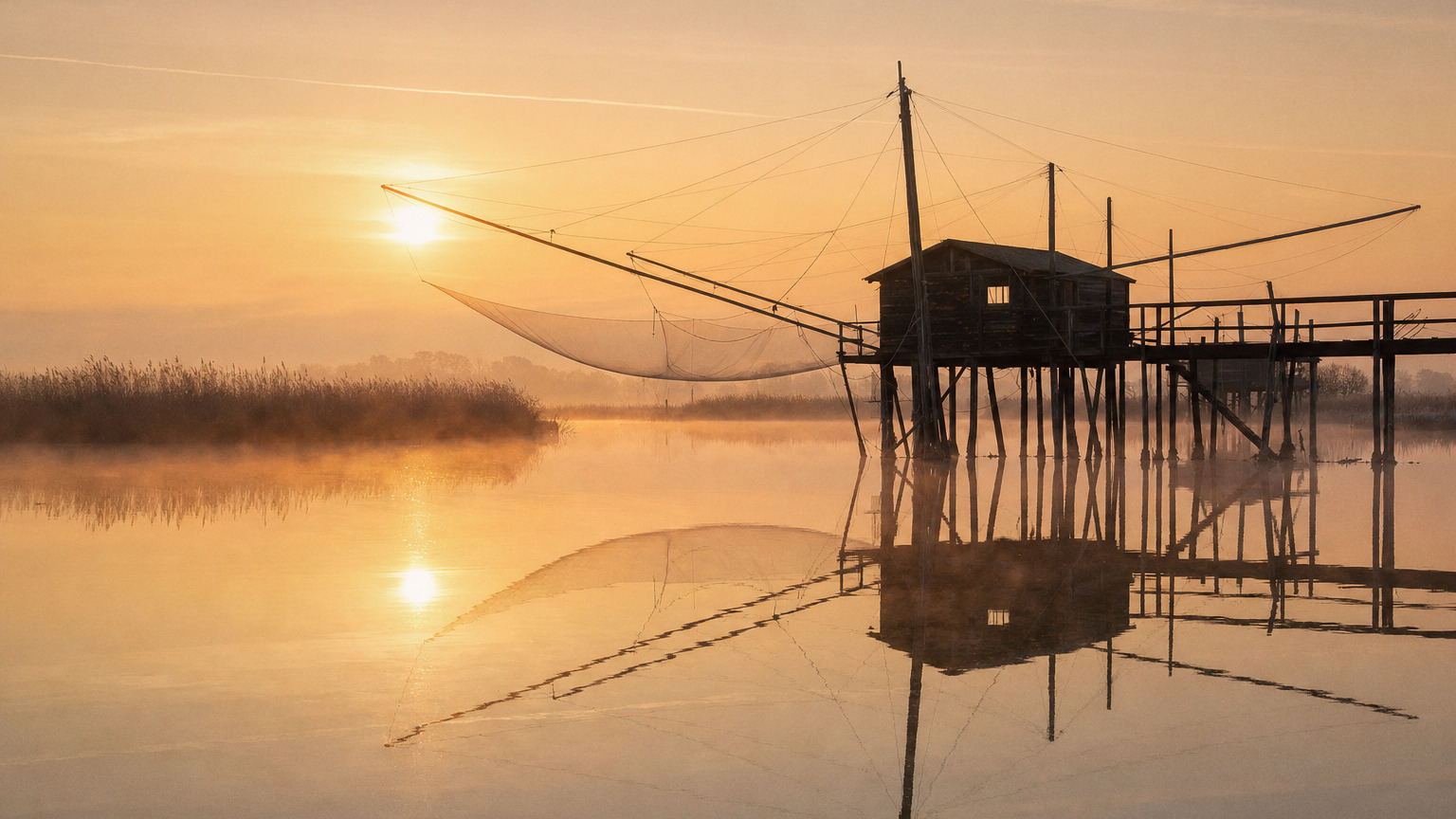
The thread is always the same: the salinity of the wine talking to the salinity of the lagoon fish. Same environment, same language. That's why on our list, alongside the winemakers we travel around to find, we keep a place for those who make wine just behind us.
The new one to try: Fortana Rosé
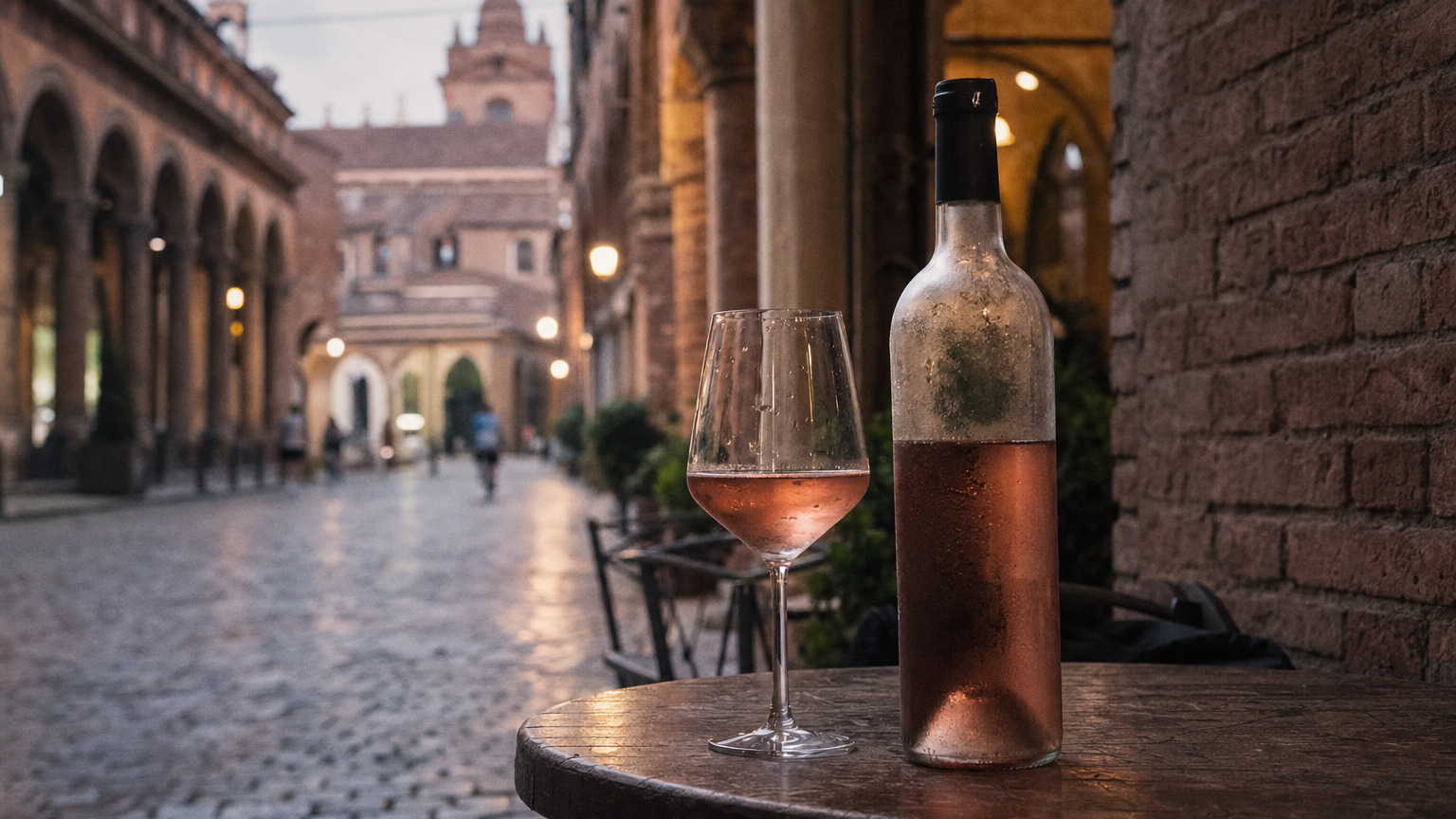
Among the new things there's the sparkling version of Fortana, the Fortana Rosé. It was born as an aperitivo, and it's perfect that way, a cold glass as you arrive, but it holds its own at the table too, with fish and white meats.
If you come by in summer, with the long light and the heat that won't let go, it's the first thing we'll put in your hand. Bubbles, colour, freshness. Few pretensions and a great desire to carry on.
Frequently asked questions
What is the wine of the sands?
It's the name given to Bosco Eliceo DOC, a wine produced between Ferrara, the Po Delta and the coast on soils made almost entirely of sand, up to 95-97%. Hence the nickname.
What wine do you drink in Ferrara?
The most local wine, out towards the sea, is Bosco Eliceo: Fortana, Merlot, Sauvignon and Bianco del Bosco. Savoury, light wines, often lightly sparkling, made to be drunk at the table, and in our view with fish.
What is Fortana?
It's the leading grape of the Bosco Eliceo, also known as “Uva d'Oro”. It gives a fresh, savoury wine, often lightly sparkling, and today it also comes as a sparkling rosé.
If you're passing
Bosco Eliceo isn't a wine that changes your life at the first sip. It's better than that: it's a wine that tells you where you are. The sand, the sea a stone's throw away, the lagoons at your back.
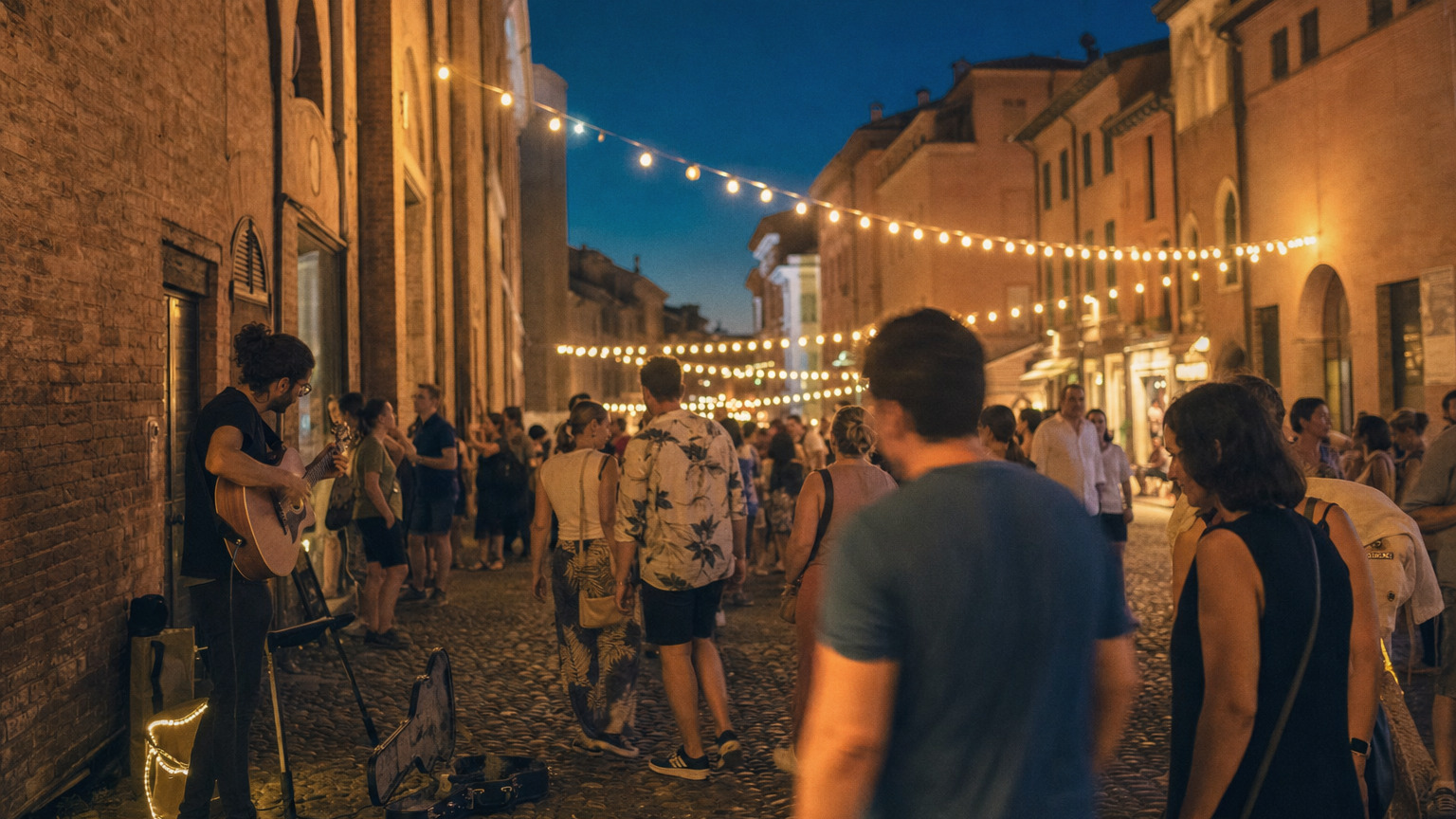
We keep it there, alongside the other artisan winemakers we like, and we're happy to open it for anyone who wants to understand where it comes from. If you fancy trying it, with a fritto or in front of a plate of eel, the table is ready. And if you'd rather start on your own, out along the Lidi: do it. That too, in the end, is what we call nuvolare: drifting along like a cloud.