Author: Le Nuvole

  • What we like this month: October in Ferrara

    What we like this month: October in Ferrara

    The first foggy mornings. Bicycles with their lights already on at six. And that smell of woodsmoke drifting in from who knows where.

    October is the month when Ferrara feels more tucked in, and we like it that way. But it isn't a quiet month: the October events in Ferrara come one after another, start to finish: a city that turns into a newsroom, the lagoons lighting their fires, and a food festival to close. Here's what we like.

    The city becomes a newsroom: Internazionale

    It starts straight away. From 2 to 4 October 2026 Internazionale a Ferrara returns, the journalism festival that turns the centre into the biggest newsroom in the world. Talks, presentations, screenings, exhibitions and workshops, with journalists, writers and photographers from all over the world.

    On those days Ferrara feels like a different city. You queue for a talk, debate under the porticoes, come out of a hall with a new question in your head. A tip from those of us who are in the dining room every evening: the city fills up, and so do the tables. If you want an unhurried dinner between one talk and the next, it's worth planning ahead.

    All autumn long: the exhibition at Palazzo dei Diamanti

    For the whole month, and until 10 January 2027, Palazzo dei Diamanti is showing "Da Monet a Van Gogh a Kandinsky" (From Monet to Van Gogh to Kandinsky): 120 works, most of them from the Museum Boijmans Van Beuningen in Rotterdam. Between one Internazionale talk and the next, it's the perfect excuse for a morning among the paintings. We wrote here about what to see and how to plan your visit.

    Smoke from the lagoons: the last weekends of the Sagra dell'Anguilla

    In Comacchio the Sagra dell'Anguilla, the eel festival, continues for two more weekends: 3 and 4 October, 10 and 11 October 2026.

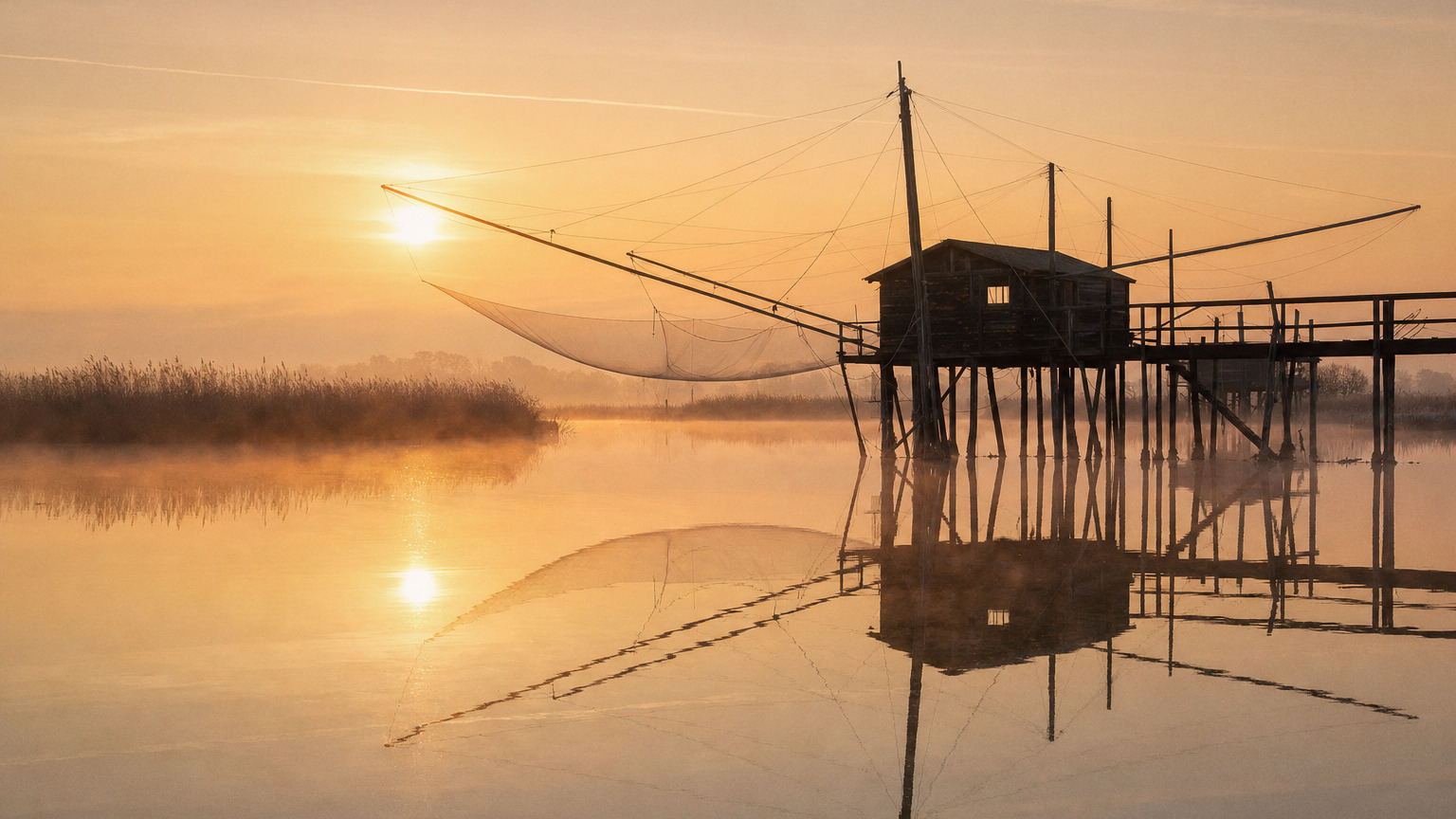
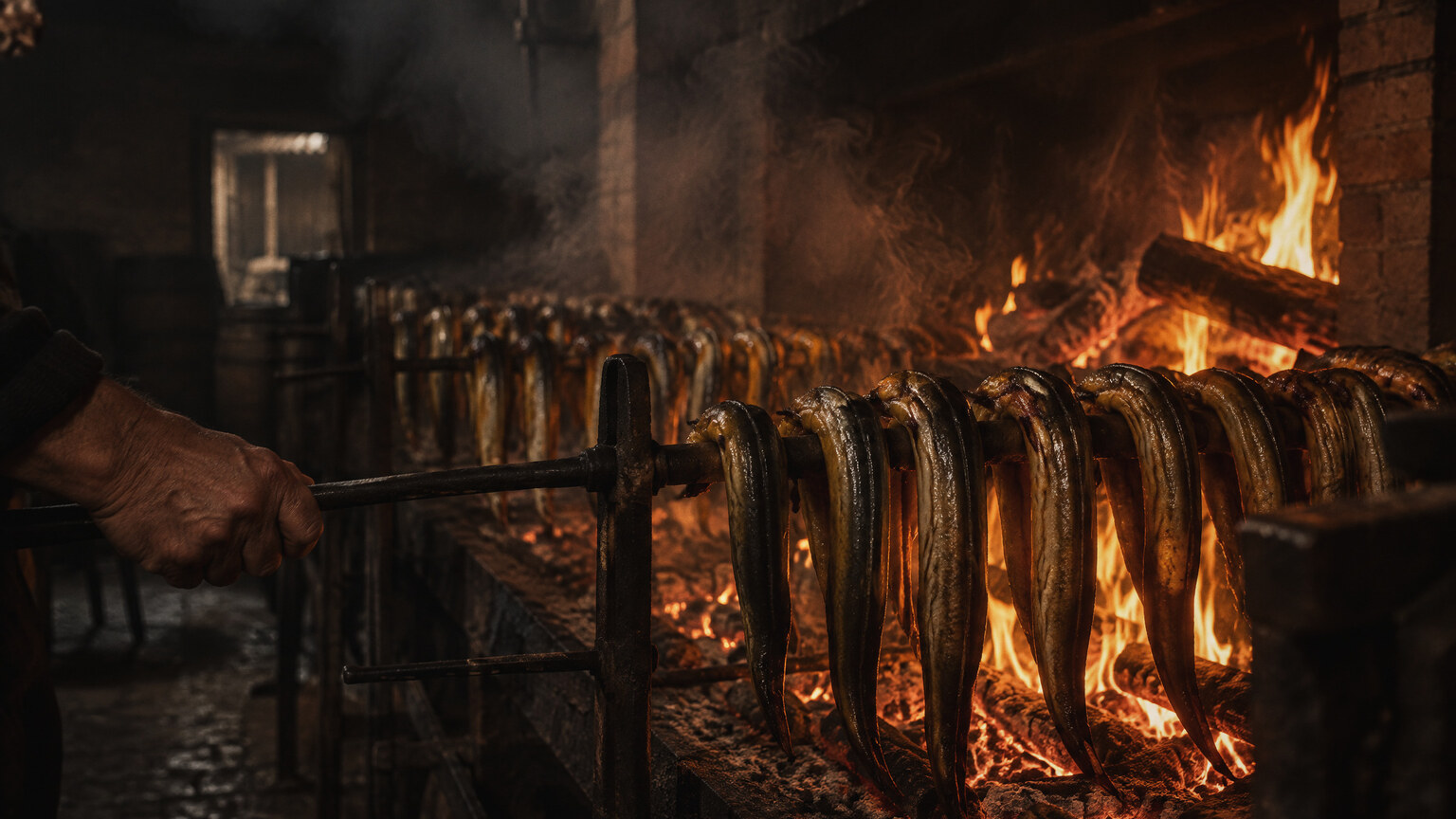
    October is the right month. In the lagoons the fishing season opens, running from October to December, with the lavorieri, the traditional fishing weirs. And at the Manifattura dei Marinati there's the Sala dei Fuochi, the Hall of Fires, with its twelve great fireplaces: eels on spits, the embers, the smoke rising and filling the room. With a name like ours, it's hard to remain unmoved.

    A Sunday among the canals of Comacchio, then an evening at the table, talking about it. The sea and the lagoons are our home ground, and in autumn you feel them more than ever.

    The colour of pumpkin

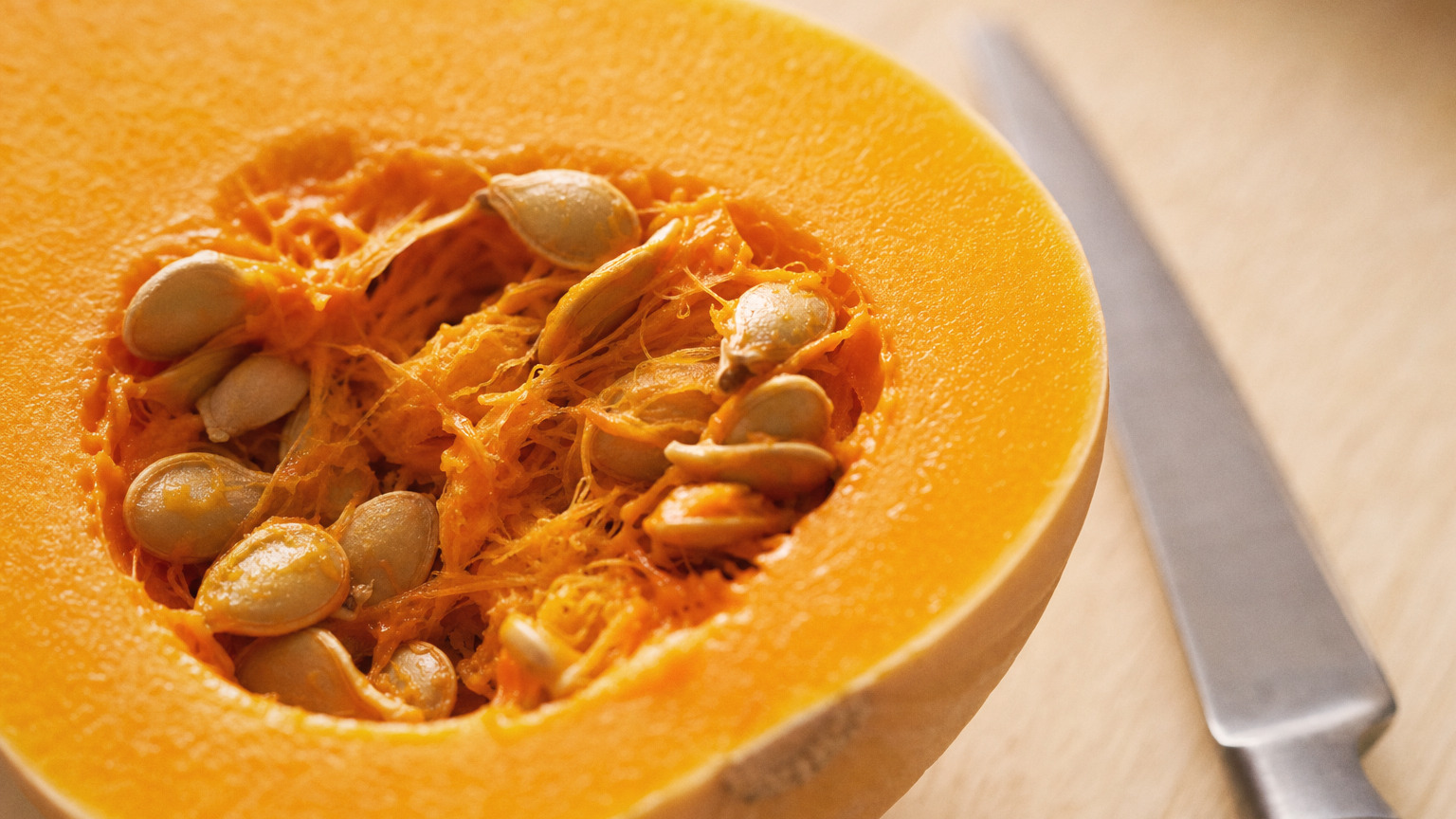
    We're a fish trattoria, but October in Ferrara has only one colour: pumpkin orange. It's the season of cappellacci di zucca ferraresi, the local pumpkin-filled pasta, PGI since 2016 (IGP in Italian): egg pasta with a filling of violina pumpkin, cheese, breadcrumbs and a hint of nutmeg. And no amaretti, unlike the tortelli from Mantua. Around here, we're particular about that.

    You'll find them all over the city, and rightly so: they're worth tasting where they've always been made. To find out more about the traditional dishes, we wrote here about what to eat in Ferrara.

    To close the month: the Ferrara Food Festival

    At the very end, from Friday 30 October to Sunday 1 November 2026, the historic centre hosts the fifth edition of the Ferrara Food Festival: cooking demonstrations, tastings and local specialities, from salama da sugo, Ferrara's slow-cooked pork salami, to pampapato, the spiced chocolate cake. A nice way to say goodbye to October and open the way to winter.

    On the plate and in the glass

    In the kitchen, autumn has really arrived. Paolo follows what the sea brings and what the lagoons bring, and the off-menu specials are described in person, table by table.

    In the glass, there are two local answers. With eel, the Fortana frizzante from Bosco Eliceo: bubbles and acidity to cut through the richness. With pumpkin, the Fortana ferma, the still version, which holds up well to the sweetness of the filling. Two bottles, one season.

    Frequently asked questions

    When is Internazionale a Ferrara in 2026?
    From 2 to 4 October 2026, in the centre of Ferrara, with talks, screenings, exhibitions and workshops.

    When is the Ferrara Food Festival 2026?
    From Friday 30 October to Sunday 1 November 2026, in the historic centre. It's the fifth edition.

    Do cappellacci di zucca ferraresi contain amaretti?
    No. Cappellacci di zucca ferraresi PGI contain no amaretti: that's the main difference from the tortelli di zucca of Mantua.

    If you're passing by

    October is a full month, best enjoyed slowly. If you're in town for the festival, for the sagra or just for the first fog, the table is ready. Something warm, a local bottle, and the evening drawing in early.

    We look forward to seeing you. And if you already know us, you know the best thing is when you come back.

  • From Monet to Van Gogh to Kandinsky: the exhibition at Palazzo dei Diamanti (and dinner afterwards)

    From Monet to Van Gogh to Kandinsky: the exhibition at Palazzo dei Diamanti (and dinner afterwards)

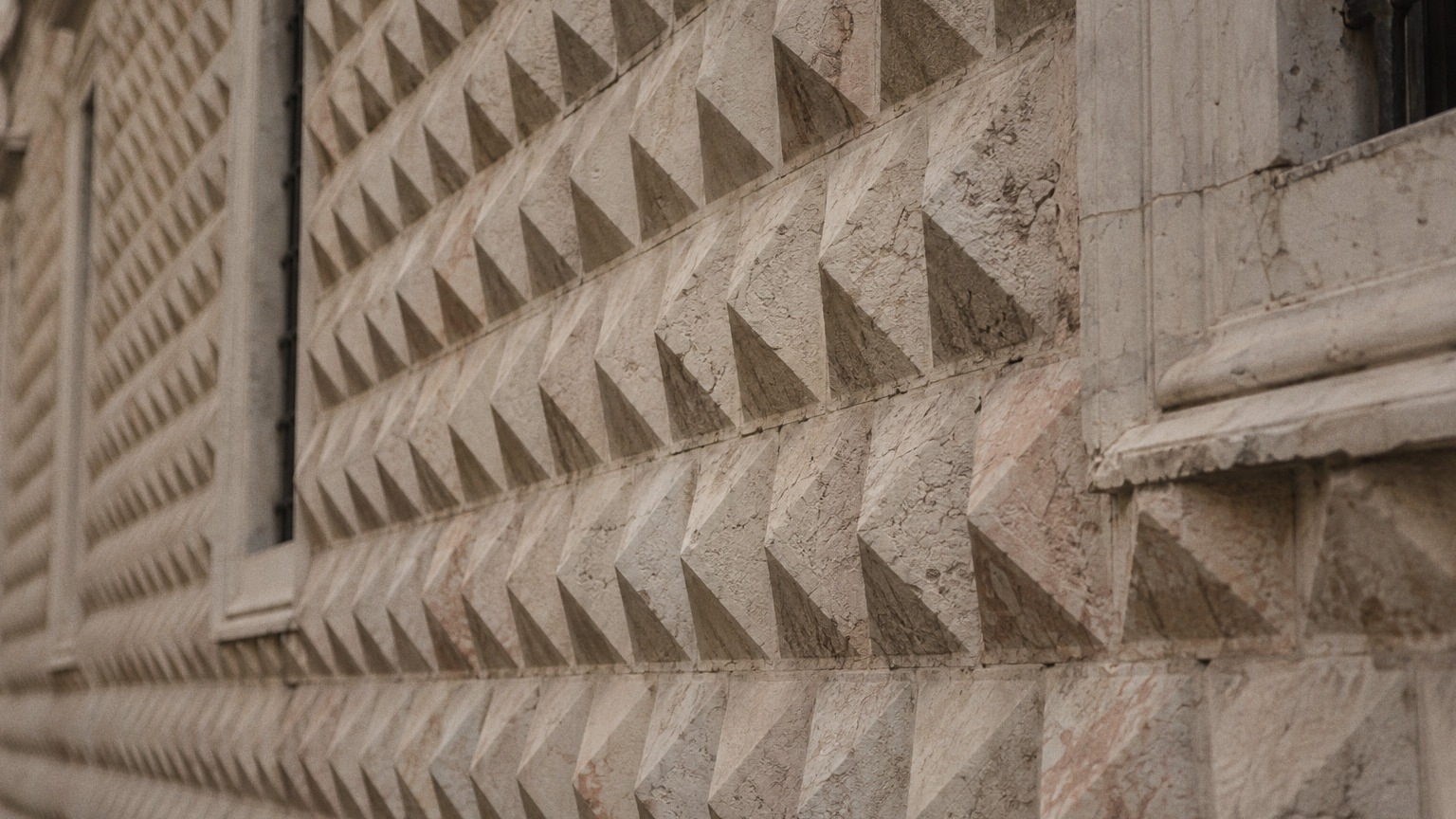
    A façade of marble cut to diamond points. The afternoon light sliding across them and turning them pink. And inside, this autumn, Monet, Van Gogh and Kandinsky.

    Since 19 September the exhibition at Palazzo dei Diamanti has been the kind that makes people come to Ferrara on purpose: "Da Monet a Van Gogh a Kandinsky. Nuovi sguardi sulla natura e la modernità" (From Monet to Van Gogh to Kandinsky: New Perspectives on Nature and Modernity), open until 10 January 2027. We like the idea of half of modern European painting spending a few months in our city. Here's what to see, how to plan your visit, and how to round off the day.

    What to see

    There are 120 works: paintings, drawings and prints. Most of them come from the Museum Boijmans Van Beuningen in Rotterdam, alongside a selection from major Italian collections, public and private.

    A simple question runs through the exhibition: how do you go, in less than eighty years, from painting a field from life to dissolving it into shapes and colours? The route is divided into nine chapters and follows exactly that path:

    1. The Barbizon School, landscape observed from life.
    2. The Macchiaioli, the Italian answer, all light and colour.
    3. Impressionism, the perception of a single moment.
    4. The Hague School, the Dutch version: more sober, more atmospheric.
    5. The Post-Impressionists, when colour and form become independent.
    6. Divisionism, light that vibrates.
    7. City life, increasingly centre stage.
    8. Futurism, and then the return to order.
    9. Abstraction, where the visible world melts away.

    The names make your head spin: Courbet, Monet, Berthe Morisot, Pissarro, Renoir, Sisley, Degas, Gauguin, Van Gogh, Signac, Redon, Picasso, Bonnard, Vuillard, Kandinsky, Mondrian. And the Italians: Fattori, Signorini, Pellizza da Volpedo, Segantini, Previati, Boccioni, Sironi.

    A Ferrara native in the galleries: Boldini

    Among the Italians there is also Giovanni Boldini, born right here in Ferrara. The exhibition includes works from the city's Museo Giovanni Boldini, such as his Autoritratto a sessantanove anni (Self-Portrait at Sixty-Nine) from 1911. Seeing him alongside the greats of Paris, on home ground, feels special. That is how we like it: the world passing through, and Ferrara ready for it.

    The building itself, before the exhibition

    It is worth looking up before you go in. Palazzo dei Diamanti owes its name to its rusticated façade: around 8,500 blocks of white marble veined with pink, cut to a diamond point. It was designed by Biagio Rossetti, and building began in 1493, commissioned by Sigismondo d'Este.

    It stands on Corso Ercole I d'Este, the backbone of the Addizione Erculea, the part of the city Rossetti laid out for Ercole I and the reason Ferrara is called the city that invented the modern urban plan. The building faces the Quadrivio degli Angeli: stop at the crossroads for a minute and watch how the façade changes with the light. The Pinacoteca Nazionale, the national picture gallery, is housed here too.

    Planning your visit

    • Dates: from 19 September 2026 to 10 January 2027.
    • Opening hours: every day from 9.30 to 19.30. The ticket office closes at 18.30.
    • Tickets: full price 16 euros, audio guide included (on your smartphone too). Palazzo dei Diamanti's own advice, which we are happy to pass on: buy online in advance. Choose a time slot and walk straight in without stopping at the ticket office.
    • Where: Corso Ercole I d'Este 21. For information, call +39 0532 244949.

    A tip from those of us who live in the city all year round: on autumn weekends Ferrara fills up. In early October there is also Internazionale (2 to 4 October): if you are coming on those days, booking ahead is all but essential.

    The perfect day, in our opinion

    The exhibition in the morning, when the rooms are quieter. Then a slow walk along Corso Ercole I d'Este, as far as the city walls if your legs are up to it. The afternoon in the centre, between the Castello and the medieval streets, with the light fading early.

    And in the evening, dinner. After a day spent in front of Monet and Segantini, we find ourselves wanting simple, real things: fish from the Adriatic, the lagoons, a bottle from winemakers we know. You talk about paintings, you order whatever Paolo picked up today, and it feels good to be there.

    If you would like a fuller itinerary, we wrote about it here: Ferrara in one day, on foot and by bike.

    Frequently asked questions

    How long does the exhibition at Palazzo dei Diamanti run?
    "Da Monet a Van Gogh a Kandinsky" runs until 10 January 2027. It opened on 19 September 2026.

    What are the exhibition's opening hours?
    Every day from 9.30 to 19.30. The ticket office closes at 18.30.

    Which artists are in the exhibition?
    Among others Monet, Van Gogh, Kandinsky, Mondrian, Degas, Renoir, Gauguin and Picasso, with the Italians Fattori, Segantini, Boldini and Boccioni. 120 works in total, most of them from the Museum Boijmans Van Beuningen in Rotterdam.

    Is it worth buying tickets online?
    Yes. Booking online, you choose a time slot and go in without stopping at the ticket office. At weekends it makes all the difference.

    If you're passing by

    An exhibition like this is a good excuse to come to Ferrara, or to come back. If after the paintings you fancy an unhurried dinner, the table is ready.

    We look forward to seeing you.

  • The wines of the sands: the Bosco Eliceo and the winemakers we like

    The wines of the sands: the Bosco Eliceo and the winemakers we like

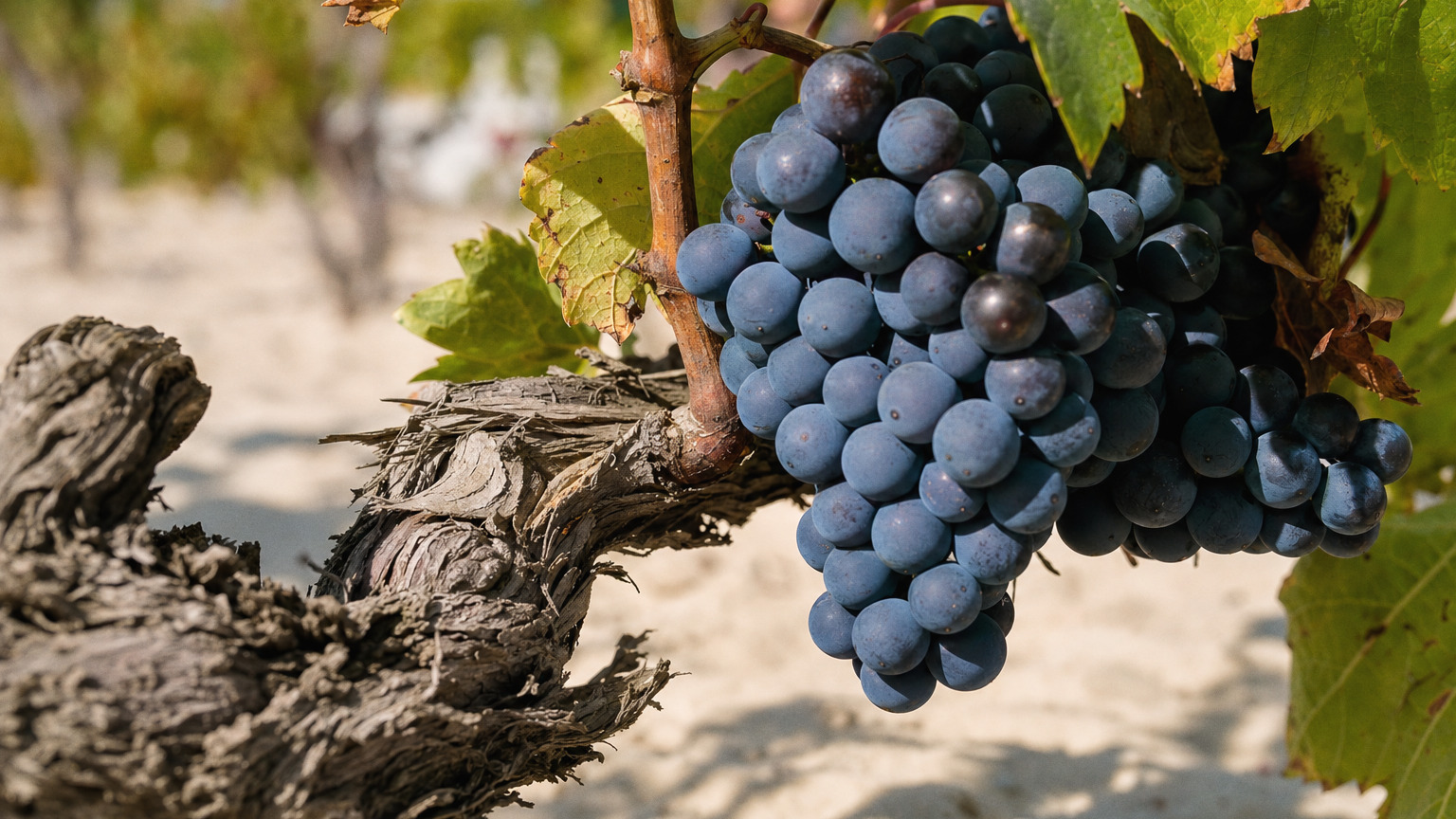
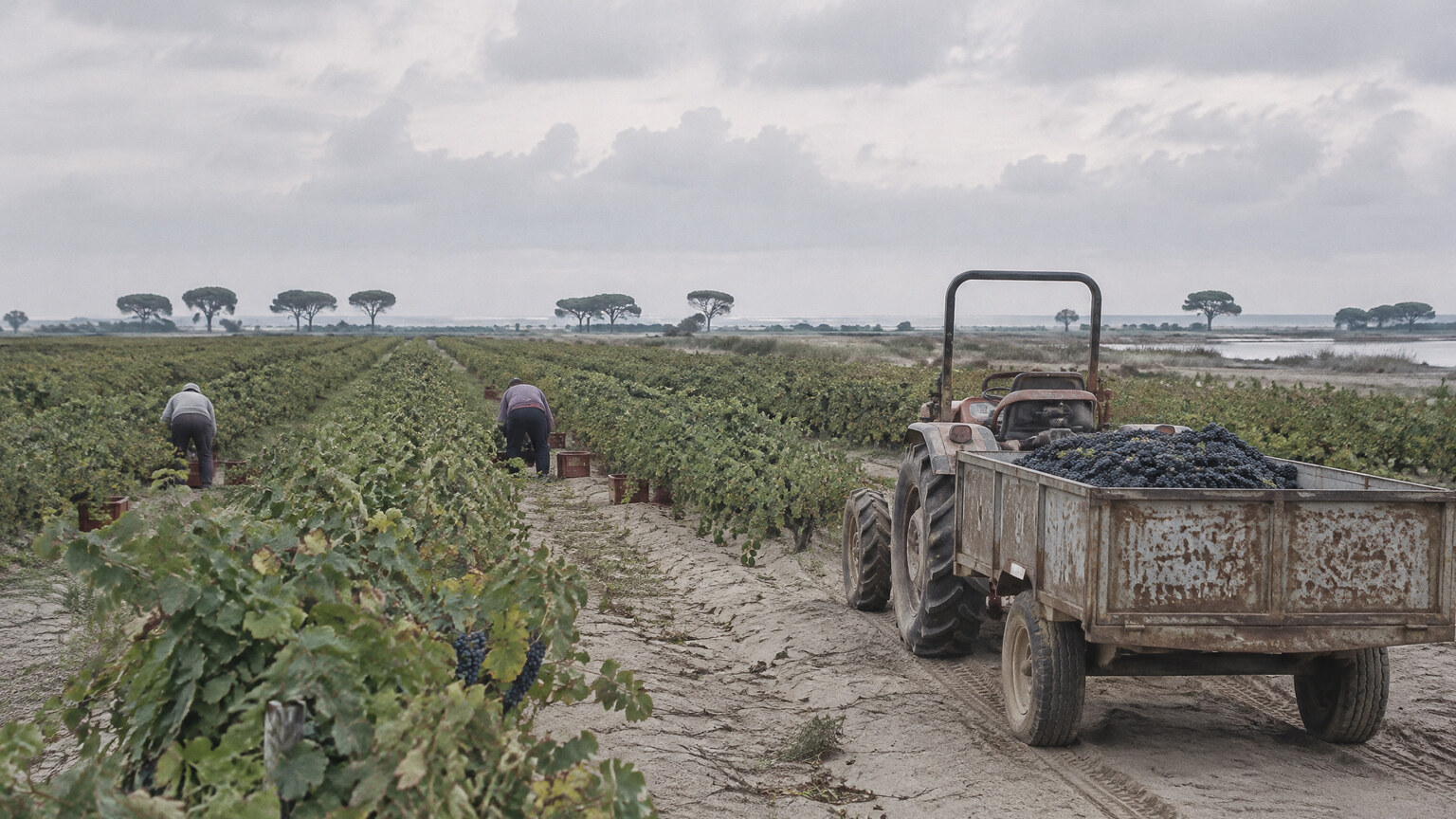
    Low vines, planted in sand, a few metres from the Adriatic. The ground crunches under your shoes like a beach. And yet a wine is born there, and it has just the right salinity for our fish.

    These are the wines of the sands: the Bosco Eliceo. A name that few people even in Ferrara know, and one we've been happy to pour ever since we opened. Because it comes from here, from our own patch of liquid world, sand, lagoons, sea, salt, and because we like the people who make it. This is our little guide, told from behind the counter.

    Why they're called “wines of the sands”

    The appellation is called Bosco Eliceo DOC and has been recognised since 1989. The nickname, “Vini delle Sabbie”, wines of the sands, isn't label poetry: it's the truth of the soil. The vines grow on ground that is up to 95-97% sand, the legacy of sediment laid down by the Po and the Reno and of the old land reclamations, between the province of Ferrara, the Po Delta and the coast.

    The name “Bosco Eliceo”, on the other hand, comes from the woods of holm oak, the “elci”, that once grew on the sand dunes along the sea.

    There's a detail we like to tell at the table. Many of these vines are “franche di piede”, ungrafted: sand makes the soil naturally hostile to phylloxera, the insect that wiped out half of Europe's vineyards in the nineteenth century. Here the low vines survived. Drinking a Bosco Eliceo, sometimes, means drinking from old plants that held on where elsewhere everything had to start again from scratch.

    Fortana, the “Uva d'Oro”

    The house grape is Fortana, which around here they call “Uva d'Oro”, the golden grape. It has been grown for centuries. The Consorzio traces the earliest evidence all the way back to the Etruscans of Spina, a local tradition, told that way by the people who protect the appellation, rather than a certain record.

    And here comes the lovely story, the one we love to tell while warning straight away that it's a legend, not a documented fact. Fortana is said to have come from the Côte d'Or, the “golden slope” of Burgundy, brought to Ferrara by Renée of France on her marriage to Ercole II d'Este: French vine cuttings that found a home in the sandy, brackish soils of the Delta. From there, they say, “Côte d'Or” became “Uva d'Oro”. It's a tradition, and we hold it dear for exactly what it is: a story that smells of the Este court, to be told at the end of dinner without passing it off as truth.

    Under the DOC there are four types: as well as Fortana, Merlot, Sauvignon and Bianco del Bosco. Four different ways of standing on sand.

    What a wine grown by the sea tastes like

    If you've never tasted them, fix one word in your mind: salinity. The wines of the sands have modest alcohol, around 10.5-11%, lovely acidity and a slightly salty note, a gift of the nearby sea. They're light, straightforward, often lightly sparkling. Fresh, fruity aromas, floral at times.

    No “important” wine that silences the dish, in other words. Wines that do their job: they make you thirsty, they clean your palate, they make you want the next mouthful. Trattoria wines, in the best sense of the word.

    Why a fish trattoria pours Bosco Eliceo

    A fair question: a red, or a “farmhouse” fizz, with fish? Yes. And this is exactly where the sand comes in useful.

    The logic is simple, the sommeliers' logic as told in a kitchen: acidity and bubbles cut through fat and bring balance. It works beautifully with the richer dishes of our lagoon world. Sparkling Fortana is the pairing of choice with eel, eel risotto for instance, where acidity and bubbles cut through the richness. And when the dish turns sharp, like certain brodetti from the Comacchio area made with vinegar, still Fortana holds up better than many whites.

    Then there are the whites. Bianco del Bosco frizzante, again, with eel risotto. Bosco Eliceo Sauvignon, dry and a touch tart, with marinated eel. And as an aperitivo, before sitting down, they all work.

    The thread is always the same: the salinity of the wine talking to the salinity of the lagoon fish. Same environment, same language. That's why on our list, alongside the winemakers we travel around to find, we keep a place for those who make wine just behind us.

    The new one to try: Fortana Rosé

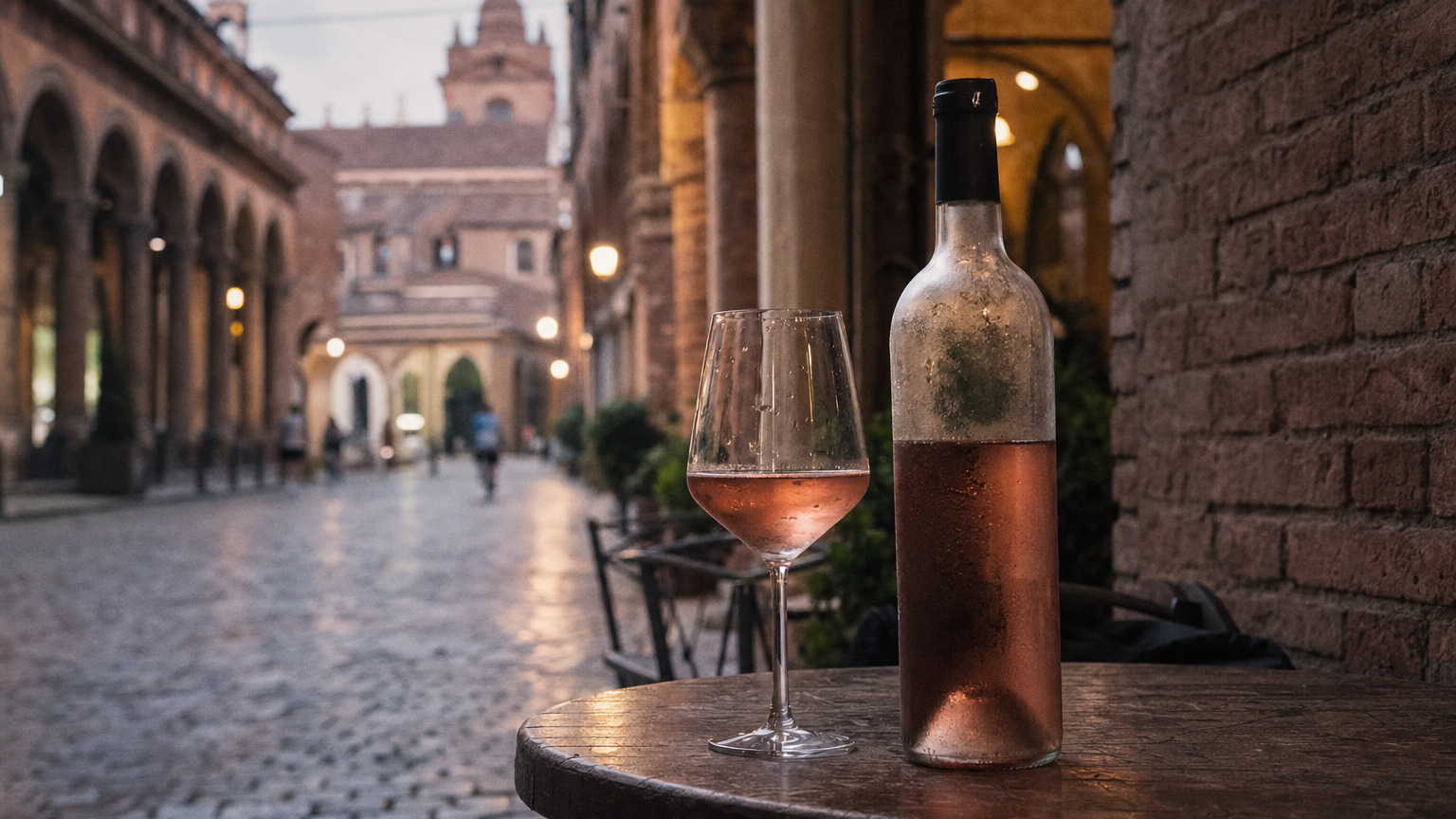
    Among the new things there's the sparkling version of Fortana, the Fortana Rosé. It was born as an aperitivo, and it's perfect that way, a cold glass as you arrive, but it holds its own at the table too, with fish and white meats.

    If you come by in summer, with the long light and the heat that won't let go, it's the first thing we'll put in your hand. Bubbles, colour, freshness. Few pretensions and a great desire to carry on.

    Frequently asked questions

    What is the wine of the sands?
    It's the name given to Bosco Eliceo DOC, a wine produced between Ferrara, the Po Delta and the coast on soils made almost entirely of sand, up to 95-97%. Hence the nickname.

    What wine do you drink in Ferrara?
    The most local wine, out towards the sea, is Bosco Eliceo: Fortana, Merlot, Sauvignon and Bianco del Bosco. Savoury, light wines, often lightly sparkling, made to be drunk at the table, and in our view with fish.

    What is Fortana?
    It's the leading grape of the Bosco Eliceo, also known as “Uva d'Oro”. It gives a fresh, savoury wine, often lightly sparkling, and today it also comes as a sparkling rosé.

    If you're passing

    Bosco Eliceo isn't a wine that changes your life at the first sip. It's better than that: it's a wine that tells you where you are. The sand, the sea a stone's throw away, the lagoons at your back.

    We keep it there, alongside the other artisan winemakers we like, and we're happy to open it for anyone who wants to understand where it comes from. If you fancy trying it, with a fritto or in front of a plate of eel, the table is ready. And if you'd rather start on your own, out along the Lidi: do it. That too, in the end, is what we call nuvolare: drifting along like a cloud.

  • What we like this month: September in Ferrara

    What we like this month: September in Ferrara

    The evenings draw in, just a little. The light gets lower, more golden. And Ferrara, after the summer, fills up again.

    September is our favourite month for starting over. The city comes back to life by day, bicycles take back the streets, and in the countryside it's harvest time. The September events in Ferrara follow the same rhythm: a market that brings Europe to the avenue, the grape harvest scenting the evenings, and at the end of the month the lagoons waking up with the eel. Here is what we like.

    Europe on the avenue: the Mercato Europeo

    From 18 to 20 September 2026 the Mercato Europeo, L'EuropAFerrara, returns to viale Alfonso I d'Este. Over a hundred exhibitors, stalls from half of Europe, free entry.

    It's one of those things that puts us in a good mood: you stroll under the trees along the avenue, taste a cheese you didn't know, go home with something odd in your bag. You don't need a plan. Just a free afternoon and a bit of curiosity.

    Harvest time

    September, around here, is the month of the harvest. On the sands of Bosco Eliceo too, the DOC of the Ferrara coast, where the vines grow on soil that's almost pure sand, a stone's throw from the sea.

    We love the harvest for what it promises. It's the hands of the winemakers we know, the crates full, the good tiredness at the end of the day. It's the part of wine you don't see in the glass, and it's the part we care about most. If you'd like to know more, we wrote here about the wines of the sands and the winemakers we like.

    The lagoons wake up: the Sagra dell'Anguilla

    On 26 September the season that suits us best begins. In Comacchio the Sagra dell'Anguilla, the eel festival, returns over three weekends: 26 and 27 September, 3 and 4 October, 10 and 11 October 2026.

    The eel is the queen of the lagoons. It's born a very long way away, in the Sargasso Sea, and spends years in the waters of Comacchio before being caught with the lavorieri, the ancient fishing weirs of the lagoons. The fishing season runs from October to December: the festival, in effect, is an early greeting. The anguilla marinata tradizionale delle Valli di Comacchio, the traditional marinated eel, is a Presidio Slow Food, and it alone is worth the trip.

    Our advice: a Sunday in Comacchio, on foot along the canals, and then dinner in the evening. The sea and the lagoons are our liquid landscape, and September is when they make themselves felt most.

    On the plate and in the glass

    In the kitchen it's a change of season. Summer still leaves something behind, autumn is knocking. Paolo follows what comes in, day by day, and often the best dishes are the off-menu specials, described at the table.

    In the glass, with eel, there's a ready local answer: the Fortana frizzante from Bosco Eliceo. Acidity and bubbles cut through the richness, the savouriness of the wine calls to that of the lagoon. A house pairing, and still our favourite.

    Frequently asked questions

    When is the Mercato Europeo in Ferrara in 2026?
    On 18, 19 and 20 September 2026, on viale Alfonso I d'Este. Entry is free.

    When is the Sagra dell'Anguilla in Comacchio in 2026?
    Over three weekends: 26 and 27 September, 3 and 4 October, 10 and 11 October 2026, in the centre of Comacchio.

    Which wine goes with eel?
    We like the Fortana frizzante from Bosco Eliceo: the bubbles and acidity balance the richness of the eel.

    If you're passing by

    September is the month when the city comes home, and we come home with it. If you're passing by for the market, for the sagra, or just for a cooler evening, the table is ready. We talk about what came in today, open a local bottle, and it feels good to be there.

    We look forward to seeing you. No hurry.

  • What to eat in Ferrara: the dishes that tell the city’s story (and where the sea ends)

    What to eat in Ferrara: the dishes that tell the city’s story (and where the sea ends)

    If you're wondering what to eat in Ferrara, know this: it's a city with two cuisines in one. On one side the Este court, the splendour of the Renaissance banquet, the pumpkin and pork of the hinterland. On the other, the water: the lagoons, the Po Delta, eel and oily fish. We at Le Nuvole are on the side of the water, we're a fish trattoria, but in Ferrara land and water have always gone hand in hand, and you can't understand one without the other.

    So, what to eat in Ferrara? Here is our stroll: eight dishes that tell the city's story, from the dukes' table down to where the sea ends. For each one: where it comes from, what it is, and how we like it.

    From the Este court

    Ferrara's cuisine was born in the Renaissance, when at the Este court the banquet was an art form. The “scalco”, the man who organised the banquet, counted for more than the cook. Two names come up in any honest account of this cooking: Cristoforo da Messisbugo, whose recipe book came out in 1549, and Giovan Battista Rossetti, with his Dello Scalco of 1584. Almost all the dishes that follow start there.

    1. Cappellacci di zucca ferraresi

    The origin. Pumpkin-filled pasta, PGI since 2016 (IGP in Italian), and Ferrara's egg pasta was already documented by Messisbugo in 1549. Pumpkin has been grown in these fields since 1570.

    What they are. Fresh egg pasta filled with oven-baked yellow “violina” pumpkin, cheese, breadcrumbs and a pinch of nutmeg. The shape recalls the farmer's straw hat, caplaz in dialect. Something we always say: Ferrara's cappellacci do not contain amaretti biscuits, they are not the tortelli of Mantua.

    How we like them. The classic: melted butter and sage, which lets the pumpkin do the talking. And in the glass, a mature, savoury white from the coast, a Bosco Eliceo: the salinity of the sea against a dish of the land. There, in the very first dish, land and water already talking to each other.

    2. Salama da sugo

    The origin. A PGI cured pork sausage with Renaissance roots: the first mention dates from 1492, and there's a letter from Lorenzo de' Medici to Duke Ercole I d'Este thanking him for the “precious and most welcome” gift.

    What it is. Pork with red wine and spices (nutmeg, cinnamon, cloves), stuffed into a pig's bladder, tied “like a melon” and aged for up to a year. It's steamed, suspended over boiling water, for around five hours. Pure patience.

    How we like it. Hot, sliced, with mashed potato. Alongside, a sparkling Fortana from the Bosco Eliceo: acidity and bubbles cut through the fat and bring balance. It's the most “courtly” dish on the list: substantial, rich, for a special occasion.

    3. Pasticcio di maccheroni alla ferrarese

    The origin. Careful here: it is not PGI. It's the subject of a De.Co. project, a Denominazione Comunale d'Origine, the City of Ferrara's own municipal designation of origin. It descends from the meat “pastelli” of the Middle Ages and the Renaissance, and the macaroni arrived from the South with the marriage in 1473 between Ercole d'Este and Eleonora d'Aragona, daughter of the King of Naples.

    What it is. A shell of sweet shortcrust pastry filled with macaroni, ragù, béchamel and truffle, dome-shaped and baked in the oven. The beauty is in the contrast: sweet outside, savoury inside. Traditionally it's a Carnival dish.

    How we like it. As a small baroque marvel to be cut open at the table. If you're thinking of the “timballo” in The Leopard, you're not far off: the same idea of pasta hidden under a crust.

    4. Coppia ferrarese

    The origin. The city's PGI bread. Messisbugo mentions it in 1547 as “pane intorto”, twisted bread, in the household accounts for the table of Prince Alfonso II. That twisted bread is today's Coppia.

    What it is. Two twisted arms forming a “fan of four horns”; the tips are called crostini. A crust as dry and crunchy as a breadstick, a soft heart. (There's also a legend linking it to Lucrezia Borgia's curls: charming, but it's legend, not history.)

    How we like it. As trattoria bread, plain and simple. Those crunchy crostini are made to be snapped off and used to mop up a sauce, or to keep a glass company while you wait for the first course.

    And then the sea ends

    Here we head down towards the water, and this is home. The Valli di Comacchio lie in the Po Delta Park, between the Po, the Reno and the Adriatic: reed beds, brackish lagoons, the only delta in Italy, a UNESCO World Heritage Site together with Ferrara. People have always fished and farmed there: eel, sea bass, lagoon shrimp.

    5. Anguilla marinata di Comacchio

    The origin. This one too is not PGI: it's a Presidio Slow Food, a Slow Food Presidium. The marinating method was codified as far back as the Regulations of 1818, and it's still made at the Manifattura dei Marinati in Comacchio, in the “Sala dei Fuochi”, the Hall of Fires, with its twelve great hearths.

    What it is. Wild lagoon eel, spit-roasted and put in brine: for every litre of white wine vinegar, around 70 grams of Cervia salt, a glass of water, a bay leaf. The eel is born in the Sargasso Sea and comes back here to close the circle; it's caught with the lavorieri, the traditional fishing weirs, from October to December. They say that in Comacchio there are forty-eight recipes for eel.

    How we like it. It's the flagship dish of the lagoons, the one closest to us in spirit. Vinegar, salt, woodsmoke: austere and beautiful. Against the vinegar of the marinade we happily go for a Bosco Eliceo Sauvignon, dry and slightly tart, which balances the richness of the eel.

    6. Brodetto di valle

    The origin. The Adriatic fish soup was born on board the fishing boats, as a way of using up the less prized catch. On the Ferrara side the reference point is the lagoon version: Comacchio's eel brodetto “a becco d'asino”.

    What it is. Eel with onion, vinegar and tomato conserve; in winter there's also a version with savoy cabbage. Poor man's cooking, of leftovers and patience.

    How we like it. Deep, slow, made for mopping up with bread. It's the dish that best tells the story of life in the lagoons: nothing precious in the ingredients, everything in the time and the hand. Here, with the sharp dishes of the Comacchio area, a still Fortana from the Bosco Eliceo holds up better than the whites. (And a brodetto di valle is not a “DOP Ferrara dish”; none of them is: it's tradition, and that's perfectly fine.)

    7. Pesce azzurro: sardoncini and alici

    The origin. Sardines and anchovies from the Adriatic, the pesce azzurro, the oily fish, of the Ferrara and Romagna coast. At the Lidi di Comacchio they're fried and then marinated with vinegar and bay leaf, the same “old-style” logic as the eel.

    What it is. Humble fish, plentiful, sustainable. Fried and marinated, or scottadito, straight off the grill.

    How we like it. A lot. It's the heart of an honest seaside trattoria: no trophies, just freshness. Warm sardoncini, a rustic farmhouse fizz from the Bosco Eliceo, and you feel good, with no hurry.

    8. Pampapato di Ferrara

    The origin. The city's PGI cake, since 2015. It was born in the sixteenth century in the enclosed convent of Corpus Domini: the nuns prepared a spiced bread for the high prelates at Christmas. The shape recalls a cardinal's cap, the “pope's bread”. The chocolate coating, on the other hand, is a recent idea: a Ferrara pastry chef, in 1902.

    What it is. A dome of almonds, candied fruit, cocoa, nutmeg and cinnamon, covered in dark chocolate. One of the rare cakes with no added fat.

    How we like it. At the end of the meal, in small pieces, unhurriedly. It closes the circle: we started with the Este banquet, and we finish with a sweet born next door to their court.

    (A note, because it matters to the people who cook: torta tenerina, Ferrara's other great cake, is not PGI; it's a Prodotto Agroalimentare Tradizionale, a PAT, a traditional agri-food product. Delicious all the same.)

    Frequently asked questions

    What is the typical dish of Ferrara?
    There isn't just one: the city lives on a pair. If we have to choose the symbol of the land's table, it's cappellacci di zucca; for the water's, Comacchio eel. Together they tell Ferrara's story better than any single dish.

    Are cappellacci di zucca PGI?
    Yes, they have been PGI since 2016. But be careful not to call everything else PGI: pasticcio di maccheroni is a municipal De.Co. project, the tenerina is a PAT, Comacchio eel is a Presidio Slow Food. They're different recognitions, and mixing them up is the most common mistake.

    Where do you eat fish in Ferrara?
    The thread to follow is that of the lagoons: eel, brodetto di valle, oily fish from the Adriatic, and the small Goro oysters from our Delta. Look for places that think in terms of season and place rather than big names. And yes, at our place too: that's exactly what we try to bring to the table.

    If you're passing this way

    Eight dishes aren't the whole of Ferrara; this is a stroll, not a census. But if you line them up, from the Este court down to where the water turns brackish, you've understood what this city is made of: double, between splendour and lagoon, between pumpkin and eel.

    We're on the side of the sea and the lagoons, with the wines of the sands in the cellar. If you fancy trying this side of Ferrara, the table is ready. And if you end up in Comacchio in front of a plate of eel that isn't ours, that's perfectly fine too: it's the same story, and it's a good one.
  • What we like this month: August in Ferrara

    What we like this month: August in Ferrara

    An August evening, the shutters half closed, the air finally moving. The city is slower, and that's fine by us.

    August in Ferrara comes in two movements. The first weeks are quiet: the centre empties, those who stay walk without hurry, and we breathe a little more easily too. Then, towards the end, the city changes rhythm all at once. It's the month when the August events in Ferrara all light up together, and the streets fill with music. Here is what we like this month.

    The city lights up: the Buskers Festival

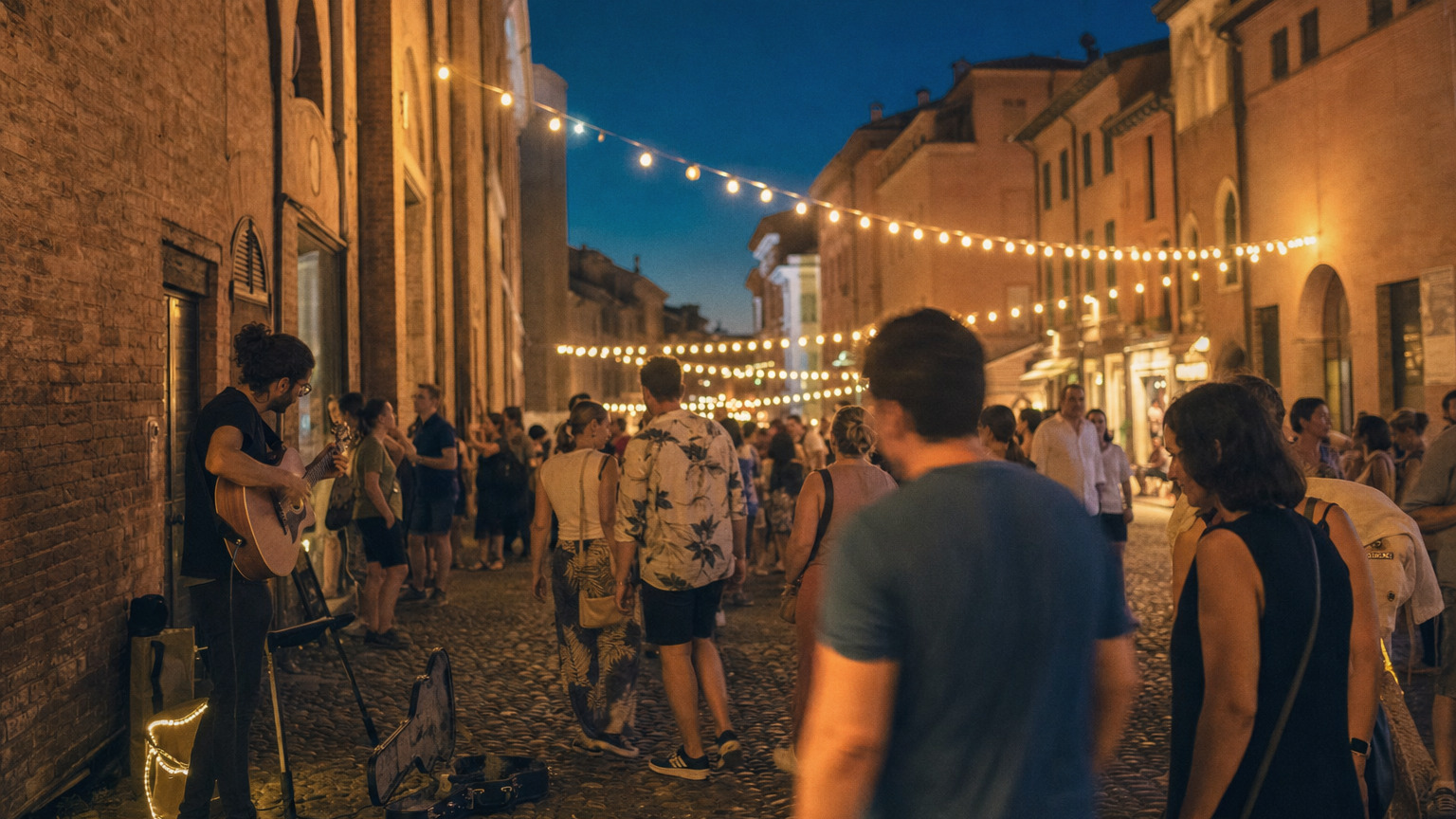
    The main event comes at the end of the month. The Ferrara Buskers Festival returns from 26 to 30 August 2026 in the historic centre: music and street art taking over the streets and squares, with the traditional preview in Comacchio in the days before.

    It's one of those moments when Ferrara is at its best. You wander with no destination, turn a corner, and there's a new sound: a violin, a choir, something you weren't expecting. The best things, often, weren't planned.

    A practical tip from those of us who are in the dining room every evening: on festival nights the centre fills up. If you want an unhurried dinner between one show and the next, it's worth planning a little ahead. Then back out, into the music.

    The call of the sea and the Lidi

    August, around here, is also something else: the longing for the sea. The Lidi ferraresi, the beaches of the Ferrara coast, are just a step away, and this is the right time to go. A day on the beach, the sound of the water, and the evening settling in slowly.

    There's a summer spirit we love: a summer night, soft lights, cool wine, a table to share. We won't give you programmes or dates for evenings by the sea; those change, and we'd rather not promise what we can't guarantee.

    What we can tell you is what the Lidi bring to the plate. The pesce azzurro dell'Adriatico, the oily fish of the Adriatic, sardoncini and anchovies, is humble cooking and local identity at once: fried and then marinated with vinegar and bay leaves, the old way, or "scottadito", straight off the grill. It's the taste of summer on the Ferrara coast, and it's exactly what we like putting on the table right now.

    What's good right now, on the plate

    The season is in charge. In summer, pesce azzurro is at home here: small, full of flavour, honest. We treat it with very little, a bit of heat, a touch of acidity, a herb, because it's already good as it is.

    It's the ingredient that makes the dish. Sea and lagoons, our liquid landscape of sand, water and salt. Everything starts there, and we like to tell you about it in person, table by table.

    And in the glass: a cool one from close to home

    In the heat, we want a wine that's cool and with a bit of life in it. Luckily, we have one on our doorstep.

    They are the wines of the sands of Bosco Eliceo, the DOC of the Ferrara coast, where the soil is almost pure sand. Wines with low alcohol, good acidity and a faintly saline note that comes from the sea nearby. Fortana, the leading grape, in its frizzante version (lightly sparkling) is one of those bottles we often reach for in summer: bubbles, freshness, no pretensions. It goes beautifully with fish.

    Then there are the artisan winemakers we love, the bottle-refermented wines, alive and saline, to uncork without ceremony over a plate of fried fish. That's our idea of a wine cellar: small, always moving, from here.

    Frequently asked questions

    When is the Buskers Festival in Ferrara in 2026?
    The Ferrara Buskers Festival takes place from 26 to 30 August 2026 in the historic centre, with the traditional preview in Comacchio in the days before.

    Is it worth visiting Ferrara in the first weeks of August?
    Yes, if you're after a slower city. The first weeks are quiet: you can wander at your own pace, and the Lidi ferraresi are a short hop away for a day at the seaside.

    Which local wine goes with summer fish?
    We like the wines of the sands of Bosco Eliceo: fresh, faintly saline, and the Fortana frizzante, which really does go well with fish.

    If you're passing by

    August is our slow month that suddenly fills with music. If you're in town, for the festival, for the sea, or just for an unhurried evening, the table is ready. We talk about today's fish, choose a cool bottle, and it feels good to be there.

    We look forward to seeing you. And if you already know us, you know the best thing is when you come back.

  • Ferrara with kids: a day of walls, castle and clouds

    Ferrara with kids: a day of walls, castle and clouds

    A child, in the car, asking where we're going. And us saying: to look at the clouds. It nearly always works. Because Ferrara, seen from the height of a seven-year-old, is a city made to measure: flat, slow, with red walls that look like a castle you'd draw and plenty of sky above. Down here, after all, there's us too.

    If you're wondering what to do in Ferrara with kids without turning the day into a forced march from museum to museum, we'll tell you how we'd live it. One thing at a time, with the right breaks. No rush: it's our trade, after all.

    Start on a bike, on the walls

    Ferrara is the city of bicycles, and not just as a figure of speech. Around 90% of people in Ferrara own at least one, and a quarter of all home-school-work journeys are made by pedal, on more than 200 km of cycle paths. Translated for anyone arriving with children: here the bike is the rule, not the exception. The cars expect it.

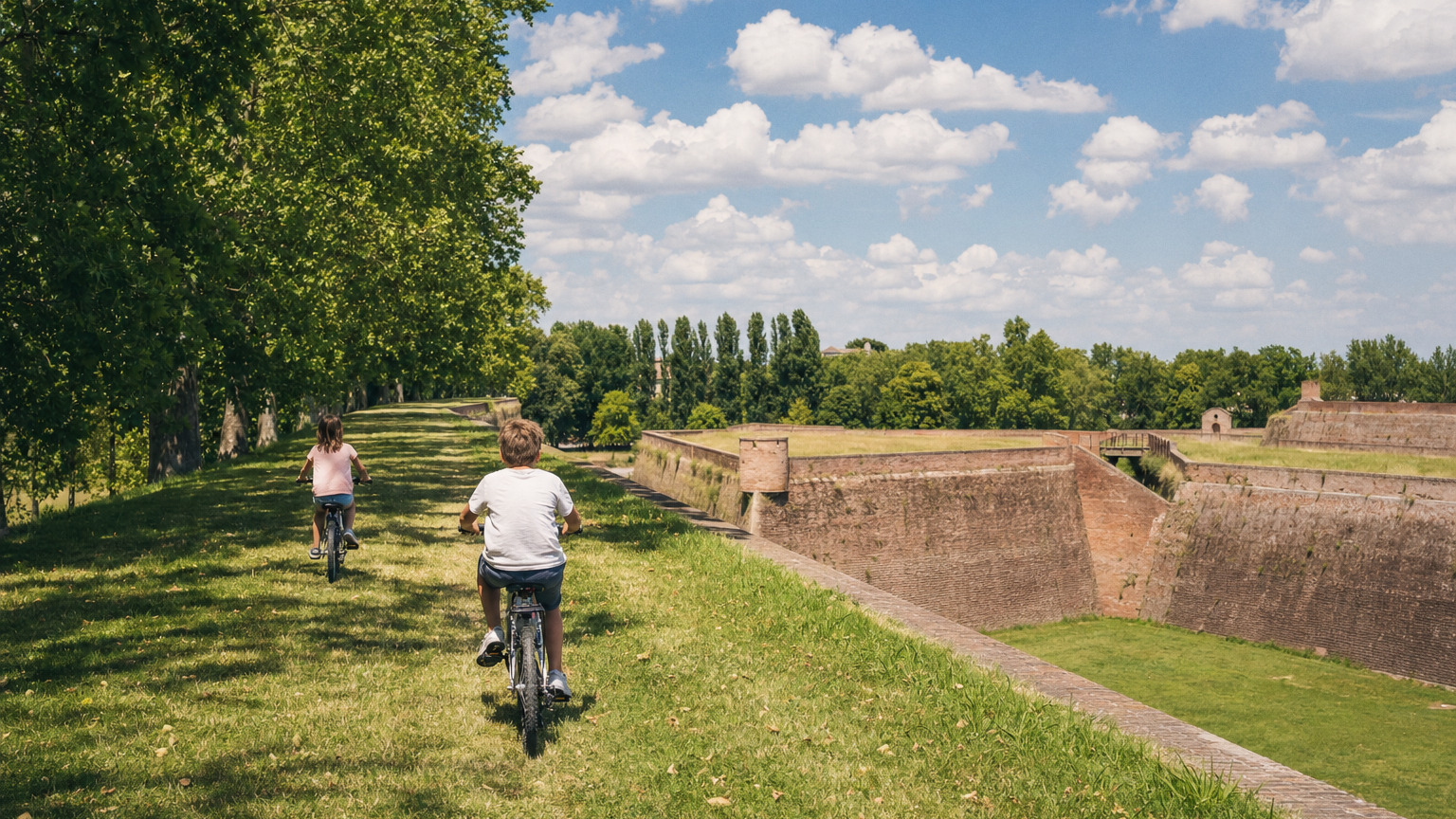
    The loveliest way to begin is to go up onto the walls: a ring of around 9 kilometres that wraps the historic centre, walkable and cyclable among bastions, towers and gates. No need to do the whole thing. One stretch is more than enough. You pedal above the city, in the shade of the trees, and the children race ahead without a thought for traffic. Grass, wheels, a bit out of breath and the odd soft tumble: that's the first real stop.

    From Corso Ercole I d'Este you reach the Porta degli Angeli, a good spot to get on or off. And if one of the little ones looks up and stops to watch the sky changing, well, we understand that perfectly.

    The Castle, with its moat and towers

    Then there's the big one, the Castello Estense. The symbol of the city: four towers, red terracotta brick, white balustrades, drawbridges. And all around, the thing children love most: a moat full of water. A real castle, with water around it, right in the middle of Ferrara. Hard to explain, easy to look at.

    You walk around it, count the towers, look for the ravelins. The Torre dei Leoni can be climbed, for those with the legs and the will. We won't give you opening hours or ticket prices here; they change often, and the last thing we want is to send you to a closed door: a quick check on the official website before you set off and you're sorted.

    Even just from the outside, though, the Castle makes an impression. It's one of those places that stay with children longer than any number of stories.

    Parco Bassani, for running properly

    After the walls and the towers, you need space. Lots of it. You'll find it at the Parco Urbano Giorgio Bassani, the big green area to the north, between the walls and the Po, named after the Ferrara-born writer. It's enormous, we're talking around 1,200 hectares, what they call the Addizione Verde, the Green Addition. Here the children can finally run without anyone saying “careful”.

    It's the place for picnics, for a football, for a blanket on the grass. The one you arrive at full of city and leave full of air. Bring something to eat and let them loose: a park like this, in the end, is the best museum for anyone who's only a few years old. And above, once again, the clouds. It's almost a habit, around here, to start watching them.

    The Delta and the flamingos, if you have a whole day

    If you feel like going further afield, the big prize is the Po Delta. Here the great river meets the Adriatic, and the tourist boards describe it as a destination made for families: boat trips, canoeing, horse riding, birdwatching, nature reserves to explore.

    The thing that leaves everyone open-mouthed, big and small, is the Valli di Comacchio: you go out by boat to look for the flamingos, really pink, standing in the shallow water. For children it's a kind of magic. In summer there are also guided outings to get closer to the birdlife and visit the fishermen's huts, the casoni, along the canals.

    And if it rains, or you need some shade, in Comacchio there's the Museo Delta Antico, designed with younger visitors in mind too: finds from the Etruscan city of Spina, the cargo of a ship wrecked more than two thousand years ago, immersive videos, installations you can smell and displays you can touch. Not the usual look-but-don't-touch museum.

    A day, on a child's scale

    Putting it all in order, a sensible day might look like this:

    1. The walls by bike, one stretch of the ring, with an easy start from the Porta degli Angeli. Above the city, in the shade, no traffic.
    2. Castello Estense, a walk around the moat, counting the towers, a climb up the Torre dei Leoni for the older ones (opening hours on the official website).
    3. Parco Bassani, free running, a football and a picnic on the grass. Time to catch your breath.
    4. The Delta and the Valli di Comacchio, the long outing, by boat, flamingo-hunting. Save it for when you have a whole day to yourselves.

    Four stops, but no obligation. Even just the first three, taken slowly, already make a lovely day. The secret, with children, is to take away, not to add.

    Frequently asked questions

    What is there to do in Ferrara with kids?
    The classic round, stress-free: a stretch of the walls by bike, the Castello Estense with its moat and towers, and a good run around Parco Bassani. With an extra day, the trip to the Po Delta and the flamingos of the Valli di Comacchio by boat. A few things, done calmly.

    Can you get around Ferrara by bike with children?
    Yes, and it's the best way. Ferrara is Italy's city of bicycles: cycle paths everywhere and the ring of the walls, around 9 km, all of it rideable away from cars. One stretch at a time, at the pace of their legs.

    And at the end of the day

    When the children are tired in the right way, the good way, with red cheeks and fewer words than usual, it's time to come back to the table. We're here, a small fish trattoria, with the smell of cooking from the kitchen and no hurry. It's not a place for children or a place for grown-ups: it's a place for families, which is something else.

    If you're passing, the table is ready. And if outside it has started to nuvolare, our word for when the clouds roll in, point it out to them: in Ferrara, watching the clouds is already half the fun.

  • Where to have an aperitivo in Ferrara: the areas, the atmosphere, a glass of wine from the sands

    Where to have an aperitivo in Ferrara: the areas, the atmosphere, a glass of wine from the sands

    The good hour is the one when the light drops and the city slows down a little more. Ferrara is slow enough already, quiet, on a human scale, a place to cross on foot or by bike, but at aperitivo time it turns positively gentle. People go out, sit down, wait for the evening to arrive. So the question is a simple one: where to have an aperitivo in Ferrara, and with what in your glass.

    We at Le Nuvole have a small idea about that. We'll tell you about the areas, the atmosphere that changes from one square to the next, and the wine we like to pour when the sun goes down: cool, saline, from these lands. No rankings, no addresses that change with the season. Just the places where it makes sense to stop, and why.

    The Listone: Piazza Trento e Trieste

    Anyone arriving in Ferrara and asking where to go for an aperitivo ends up here sooner or later. Piazza Trento e Trieste, the Listone, as everyone calls it, is the heart of city life in the historic centre, the theatrical space between the Cathedral and its museum.

    It's the square for occasions: broad, busy, a place people pass through. Along the flank of the Cathedral runs the Loggia dei Merciai, and Via Mazzini starts from here. The mood is see-and-be-greeted: you sit down and sooner or later someone you know walks by. Good for anyone who wants to be in the thick of things, with the façade of the Duomo, that weave of Romanesque and Gothic, as a backdrop while the light fades.

    Via delle Volte: an aperitivo in the shade of the vòlti

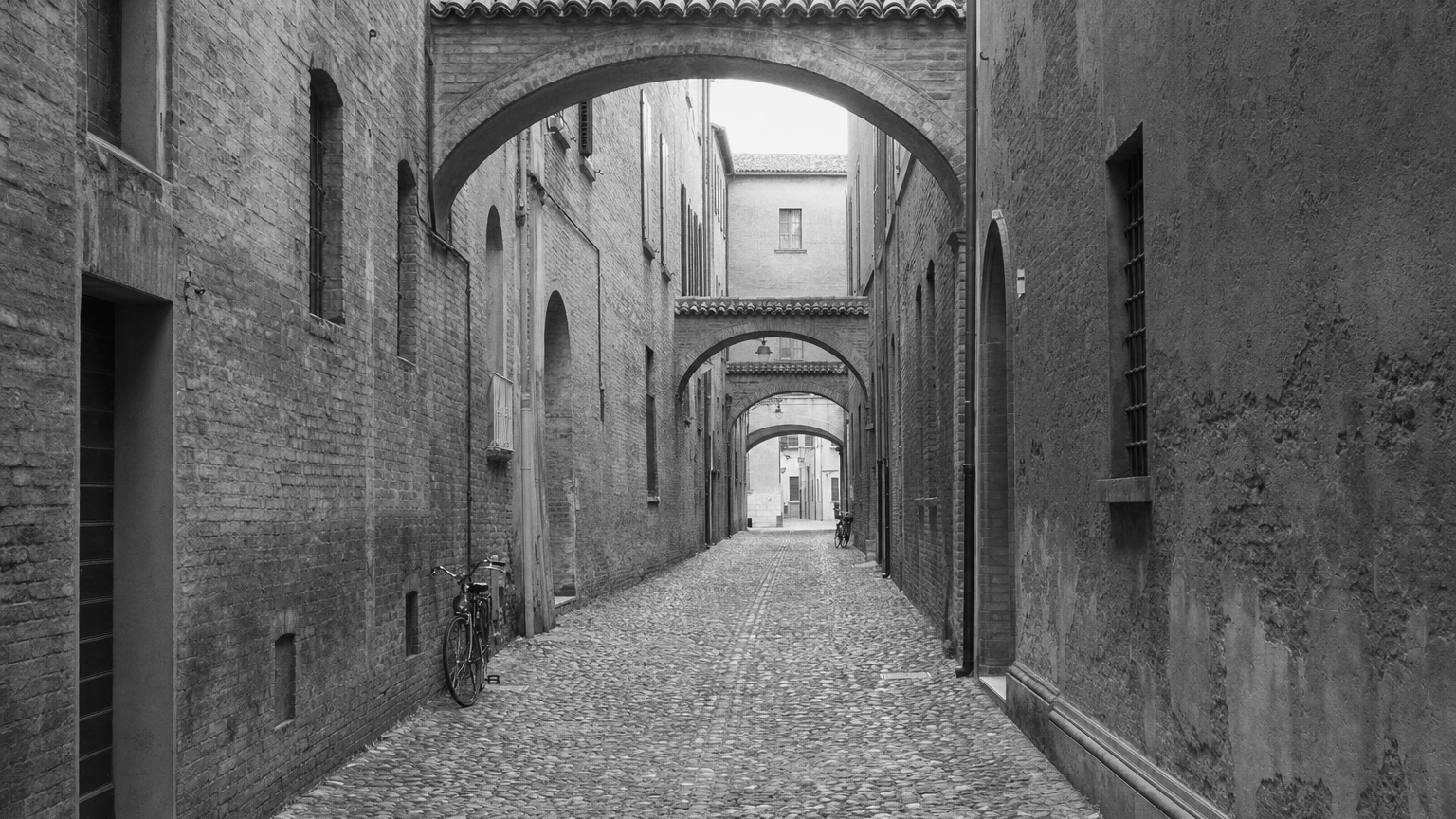
    Move a few hundred metres and everything changes. Via delle Volte is medieval Ferrara, one of the most evocative streets in the city: the backbone of the “linear Ferrara” that grew up between the 7th and 11th centuries. The name comes from the vòlti, the overhead passageways and arches that once linked the warehouses on the riverbank to the workshops towards the centre.

    Here the mood is intimate, a little secret. Stone, brick, shade. Fourteenth- and fifteenth-century buildings closing in overhead. It's the right area for a slow aperitivo, the kind that turns into dinner without anyone noticing. Less shop window, more conversation.

    Around the Castle: the moat and the four towers

    Then there's the Castello Estense, the symbol of Ferrara: four towers rising from the moat, red terracotta brick, white balustrades, drawbridges. Sitting here for an aperitivo has something theatrical about it, the water all around, the great bulk darkening while the sky stays light for a moment longer.

    It's the most “postcard” area, and that's fine: some evenings a glass is worth it just to look up at the Torre dei Leoni from below. From here, if you like, you can carry on along Corso Ercole I d'Este, the monumental axis almost two kilometres long, as far as the Porta degli Angeli and the ring of the walls, nine kilometres of green to do on foot or by bike. That's no longer aperitivo: that's afterwards. But it's nice to know it's there.

    A gem: the oldest osteria in the world

    We can't resist. If Ferrara's aperitivo has one symbolic place, it's the Enoteca Al Brindisi, next to the Duomo in Via Guglielmo degli Adelardi: considered the oldest osteria in the world, documented since 1435 (back then the Hostaria del Chiucchiolino). In the fifteenth century people arrived by boat. It's hard to get more “local aperitivo” than that.

    We mention it gladly, because in Ferrara generosity pays for everyone: a city with a six-hundred-year-old osteria is a city where the very idea of stopping for a glass has deep roots.

    What to drink: the wine of the sands

    And here we come home. Because in Ferrara an aperitivo can be a statement of place rather than just any old glass.

    A few kilometres from the centre, between the province, the Po Delta and the Adriatic coast, lies the Bosco Eliceo DOC, the “wines of the sands”, so called because the vines grow on soils that are up to 95-97% sand, the legacy of the Po, the Reno and the land reclamations. The leading grape is Fortana, the old “Uva d'Oro”, the golden grape, grown around here for centuries.

    They're wines with a precise soul: modest alcohol (around 10.5-11%), good acidity, and that slightly saline note that comes from the sea next door. Light, easy to like, often lightly sparkling. In a word: made for aperitivo. The savouriness of the sand, after all, is the same thing we look for in the fish of these lagoons; it's the thread that ties the vineyard to the table.

    Worth trying, when you get the chance, is the Fortana Rosé, the sparkling wine the Consorzio proposes precisely as an aperitivo, a local rosé instead of the usual anonymous white. And if you like living wines, look for the bottle-refermented wines of the small Bosco Eliceo growers, such as those of Mirco Mariotti: ungrafted vines a few hundred metres from the Adriatic, “farmhouse bubbles”, saline and a little wild. No champagne. Something more ours.

    Our aperitivo

    We're a fish trattoria, not a bar on the square, but we know what a glass before sitting down means. Eli's cellar is “always on the move”, built on artisan winemakers and natural wines, and the wine of the sands is part of the family: we happily uncork it as the evening begins, perhaps with something from the sea to ease you into the meal, no hurry.

    If an aperitivo in the squares makes you want to stay, the step from a Fortana to a table of fish is shorter than it looks. But that, if anything, is another evening.

    Frequently asked questions

    Where do you go for an aperitivo in Ferrara?
    The classic areas are three: the Listone (Piazza Trento e Trieste), the busy heart of the city near the Duomo; Via delle Volte, the more intimate and evocative medieval street; and the area around the Castello Estense, theatrical, with its moat and towers. Next to the Duomo there's also Al Brindisi, the oldest osteria in the world, documented since 1435.

    What do you drink at aperitivo time in Ferrara?
    The local glass is the wine of the sands from the Bosco Eliceo: cool, slightly saline Fortana, often lightly sparkling, and the Fortana Rosé proposed precisely as an aperitivo. Alternatively, the bottle-refermented wines of the small Bosco Eliceo growers, lively, savoury wines born on vines a few steps from the sea.

    If you're passing

    Ferrara is a city that rewards those who slow down. Choose the square that suits you, order a glass of these sands, and let the light do its work. Then, if you get hungry and feel like the sea, you know where we are: the table is ready, no hurry.

  • Ferrara in a day, on foot and by bike: the city of the Renaissance

    Ferrara in a day, on foot and by bike: the city of the Renaissance

    A city to be taken slowly. Red brick, wide streets that end in a vanishing point, medieval lanes that appear where you least expect them. Ferrara is in no hurry, and neither are we.

    If you're wondering what to see in Ferrara in one day, the short answer is: more than you'd think, and without rushing. It's a small, flat city, made for legs and bicycles. Below we tell you about the day as we at Le Nuvole would spend it, starting at the Castle and ending in the evening. Which, incidentally, is the part we like best.

    Ferrara, city of the Renaissance (and a World Heritage Site)

    Let's start with something people in Ferrara take for granted, and shouldn't. Since 1995 the city has been a UNESCO World Heritage Site under the name “Ferrara, City of the Renaissance, and its Po Delta”; the listing was then extended in 1999 to include the Delta and the Delizie Estensi, the Este family's country residences.

    UNESCO describes it as the first city to put the harmony of its urban perspectives before the beauty of any single building. In our words: it's not just the palazzo that counts, it's how you see it as you approach from a distance. That's something you understand by walking rather than reading. Keep it in mind: it will come in handy later, when we head into the district that made Ferrara famous among town planners the world over.

    The Castello Estense, where everything starts

    The Castello Estense is the symbol of the city, and it's where people arrange to meet. Four towers, a moat full of water, red terracotta brick, white balustrades, drawbridges. A real medieval fortress, still whole. You can climb the Torre dei Leoni: from up there you take in at a glance how Ferrara is put together, the old meeting the new.

    From here on, the distances are almost laughable. Everything we describe is within a few hundred metres of everything else. That's why Ferrara works so well in a day: you don't waste time getting around, you spend it looking.

    The Cathedral, the Listone and the former ghetto

    A stone's throw from the Castle is Piazza Trento e Trieste, which people in Ferrara call the Listone: for many it's the heart of the city, the open, theatrical space where people pass through, stop, arrange to meet.

    On one side stands the Cathedral of San Giorgio Martire, the Duomo. Its façade is a conversation between two eras: the lower part Romanesque, begun in 1135, with Saint George slaying the dragon, signed by the sculptor Nicholaus; the upper part Gothic. Along the square runs the Loggia dei Merciai, the old shops built up against the church. Entry is free.

    From the Listone runs Via Mazzini, which was, so they say, the main street of the old Jewish Ghetto. It's a part of Ferrara worth getting to know: here you'll find the MEIS, the National Museum of Italian Judaism and the Shoah, in Via Piangipane, which tells more than two thousand years of Jewish history in Italy. If you have the time and the inclination, it's a stop that leaves its mark.

    Via delle Volte, medieval Ferrara

    Now a tip from people who live here. Slip into Via delle Volte.

    It's a medieval street, the backbone of the old Ferrara that grew up between the 7th and 11th centuries. The name comes from the vòlti: the covered passageways and arches that once linked the warehouses on the riverbank to the shop-houses towards the centre. The river is long gone, but the arches are still here. Half-light, cobbles, buildings six and seven hundred years old. It's the most secret Ferrara, and on days when the light is low it's also the most beautiful to photograph.

    Palazzo dei Diamanti and the Addizione Erculea

    And now to the part that makes Ferrara a textbook case. Take Corso Ercole I d'Este: a dead-straight axis, almost two kilometres long, running from the Castle up to the northern walls. Not a single shop along the way, not one sign. Only palazzi and perspective.

    It's the heart of the Addizione Erculea, the “Herculean Addition”, the expansion that Ercole I d'Este entrusted in 1492 to the architect Biagio Rossetti. Rossetti doubled the city northwards on a rational, orthogonal grid and fused the medieval core with the new extension. That's why Ferrara is so often cited as one of the very first examples of a modern city in Europe, the one that, they say, invented the idea of the urban master plan.

    Halfway along the Corso opens the Quadrivio degli Angeli, the striking crossroads where four palazzi face one another. The most famous is the Palazzo dei Diamanti: it owes its name to its outer facing, some 8,500 blocks of white marble veined with pink, cut to a diamond point. It changes colour with the light of day. Inside are the Pinacoteca Nazionale and the big international exhibitions. It's worth checking the programme before you set off, because it changes from season to season.

    Palazzo Schifanoia and the Salone dei Mesi

    If you have energy (and curiosity) left, there's another place we hold dear: Palazzo Schifanoia, and inside it the Salone dei Mesi, the Hall of the Months.

    It's one of the great fresco cycles of the Renaissance, painted between 1468 and 1470 at the behest of Borso d'Este by the painters of the Officina Ferrarese, Francesco del Cossa and Ercole de' Roberti among them. Of the original twelve months, seven can still be read, from March to September: deities, signs of the zodiac, scenes of court life. A painted calendar, crowded with life. The name of the palace, “Schifanoia”, meant roughly “shun boredom”. A statement of intent we rather like.

    The walls: a 9 km green ring, best by bike

    We close the loop where Ferrara is at its best for anyone who wants to be outdoors: the city walls.

    They circle the historic centre for around nine kilometres, an unbroken ring of bastions, towers and gates, walkable and cyclable from end to end. From Corso Ercole I d'Este you reach the Porta degli Angeli, where the Addizione Erculea touches the northern edge of the city. Up here it's all green, silence and bicycles. And here Ferrara takes off its history-book mask and goes back to being simply a lovely place to breathe.

    One detail says it all: in Ferrara around 90% of people own a bicycle, and some call it the most bike-friendly city in Italy, with more than two hundred kilometres of cycle paths. If you can, get hold of one. The city is flat and the distances tiny: pedalling here isn't sport, it's simply the natural way to get about.

    The evening, at our place

    By now it's nearly dark, the legs have done their walking, and Ferrara slowly empties. It's the hour we like best. The light fades, the bricks glow orange, and you feel like stopping.

    We're here, a small fish trattoria run by two pairs of hands: Paolo in the kitchen, Eli front of house and in the cellar, with her artisan winemakers. The sea and the lagoons around here, a few off-menu specials told to you at the table, good wine and no hurry. After a day spent looking up, it seems to us the right way to close it: seated, in the warmth, in front of something good.

    If you're passing this way, the table is ready.

    Frequently asked questions

    What should you see in Ferrara in one day?
    A few hours are enough for the heart of the city: the Castello Estense, the Cathedral and the Listone, Via Mazzini with the former ghetto, medieval Via delle Volte, Corso Ercole I d'Este with the Palazzo dei Diamanti, and a turn along the walls. If there's time to spare, Palazzo Schifanoia with the Salone dei Mesi. All close together: no need to rush.

    Is Ferrara a UNESCO World Heritage Site?
    Yes. Since 1995 it has been a UNESCO World Heritage Site as “Ferrara, City of the Renaissance”, and since 1999 the listing has also included its Po Delta and the Delizie Estensi.

    Is Ferrara better on foot or by bike?
    Both work: the centre is small and easily done on foot. But it's a flat, thoroughly cyclable city, among the most bike-friendly in Italy, so for the walls and for going a little further afield the bike is the natural choice.

  • What we like this month: July in Ferrara

    What we like this month: July in Ferrara

    July in Ferrara is the city staying out late. The squares fill with music, the air smells of evening, and at the table the pace changes: rawer, fresher, lighter. Here is what we like this month, in town and at our place.

    If you're looking for July events in Ferrara, and then somewhere to sit down before or after, here is how we live it.

    What's on in town

    This month the city plays. Two festivals take centre stage, and they cross paths in the heart of Ferrara.

    1. Ferrara Summer Festival, the big concerts in Piazza Ariostea, until 26 July. Among the dates announced, Helloween on 18 July. (Individual concert dates can change: a last-minute check never hurts.)
    2. Ferrara Sotto le Stelle, the independent music festival, from 20 to 28 July, in the courtyard of the Castello Estense and at the Delizia di Benvignante, in Argenta. At the Castello: Ministri on the 22nd, The Notwist on the 23rd, Emma Nolde on the 25th.

    Two different souls of the same summer: the big square and the castle courtyard. We like them both. And we like the idea of dinner first, taking our time, and then a short walk towards the music.

    What's good right now, on the plate

    In summer the kitchen lightens up on its own. It's hot, and the fish asks for it.

    At this time of year we work a lot with crudo, raw fish, and with fish in its most direct form: little heat, ingredients that speak for themselves. The ostriche mignon di Goro are back, the small oysters from Goro, a small local product that Paolo likes to tell you about in person.

    There's room too for pesce azzurro, the oily fish of the Adriatic: sardines and anchovies, the humble cooking of the coast, raised up by a proper frying or an old-fashioned marinade with vinegar and bay leaves. Nothing complicated. Good things.

    And then there are the off-menu specials from the sea, which change often in July: the market decides, Paolo tells you at the table. Cuttlefish, its ink, a few raw dishes of the day. While it lasts.

    And in the glass

    With summer fish, we choose a wine that's fresh and savoury. Our pick of the month comes from close by: the wines of the sands of Bosco Eliceo, grown on soils made almost entirely of sand, a few metres from the Adriatic.

    We like the Fortana Rosé, the sparkling wine from the Uva d'Oro grape: born as an aperitivo, but it goes beautifully with fish too. Alternatively, a white from Bosco Eliceo, light, with those faintly saline notes that come from the sea. Low alcohol, freshness, bubbles: perfect for a July evening.

    It's the thread we like best: wine and fish born from the same liquid landscape of sand, lagoons and salt. The savouriness that ties vineyard and plate together.

    Frequently asked questions

    What are the big events in Ferrara in July 2026?
    Two music festivals above all: the Ferrara Summer Festival in Piazza Ariostea (until 26 July) and Ferrara Sotto le Stelle, between the Castello Estense and Argenta, from 20 to 28 July. Individual concert dates can vary: best to check the official channels before you set off.

    What should you eat at this time of year?
    Fish in its summer version: crudo, Goro oysters, pesce azzurro. And the off-menu specials from the sea, which change from day to day. We tell you about them at the table.

    Which wine goes with summer fish?
    A fresh, savoury one. Right now we like the wines of the sands of Bosco Eliceo: the Fortana Rosé or a light white, with their faintly saline notes.

    If you're passing by

    July is lovely like this: a long evening, a light dish, a cool glass, and then the music a few steps away. If you're going to a concert, the table beforehand is the best part of the evening.

    We're here, as always. If you're passing by, we look forward to seeing you. And if you already know us, you know the best thing is when you come back.